Silas Heaphy

Game Designer & Developer, Yale CS '29

I'm Silas Heaphy, a Yale game designer, developer, and CS student with nine years of development experience. I love designing novel mechanics across genres and creating one-of-a-kind experiences. I'm interested in game narrative through gameplay and unique approaches to music, systems, and storytelling.

Skills:

  • Game Design
  • Systems Design
  • Level Design
  • SFX/Music Production
  • Unity
  • GameMaker
PuzzleDocumentation

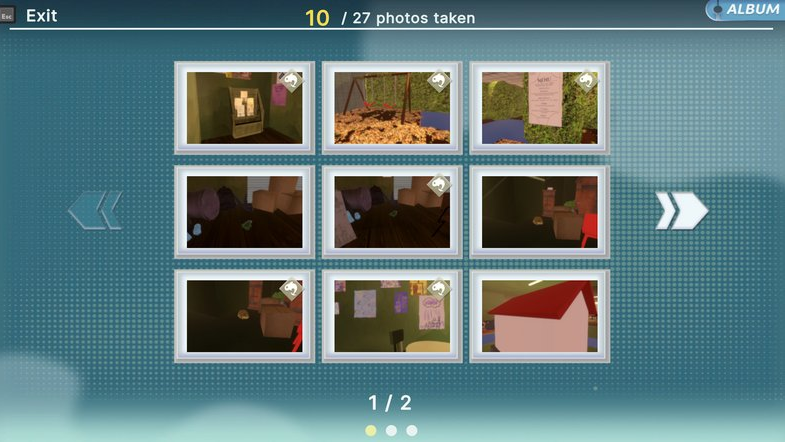
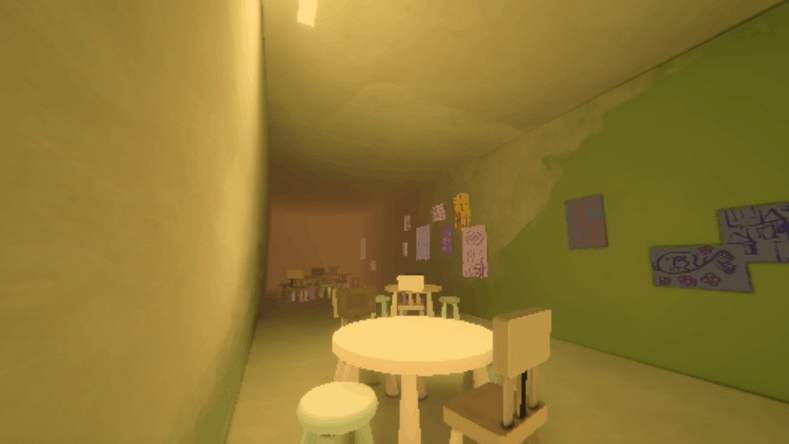
27 Photos

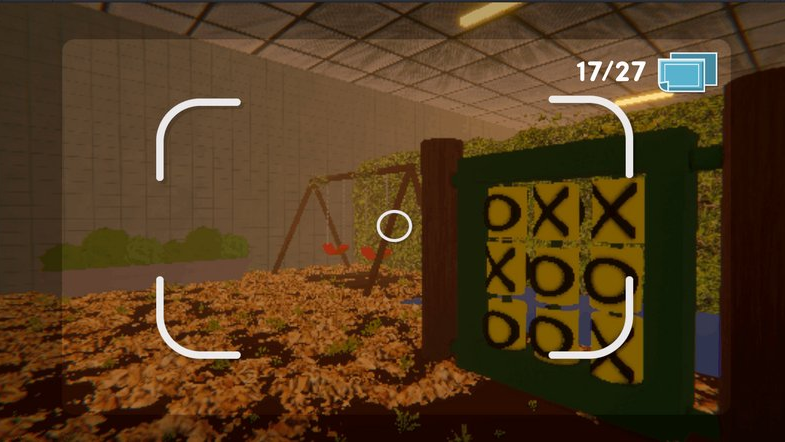
Designer for photo-taking puzzle narrative game, working alongside 20+ person team.

Text AdventureDocumentation

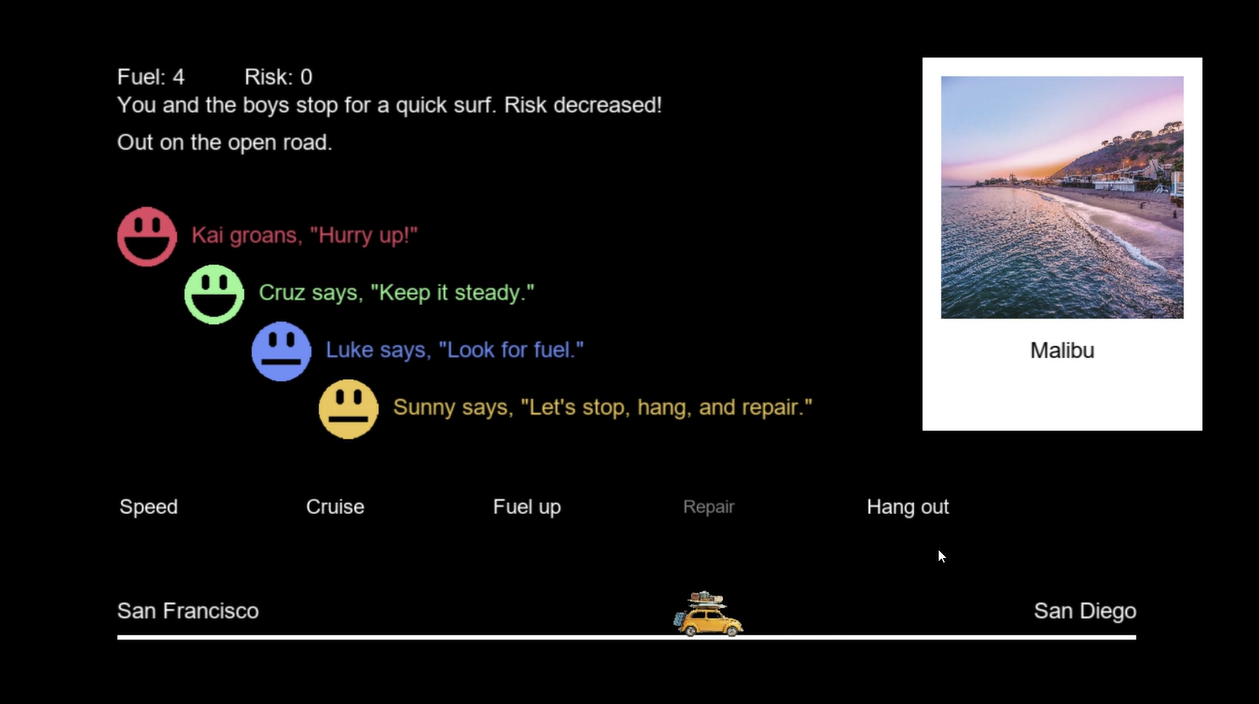
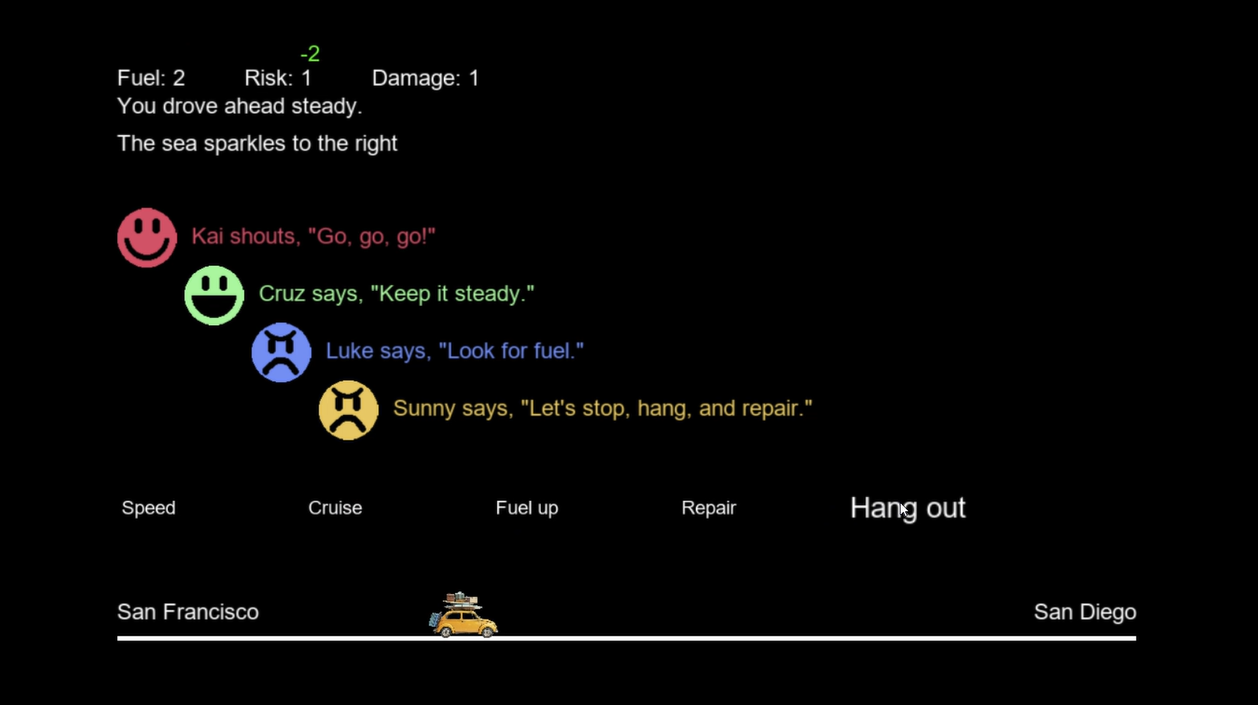
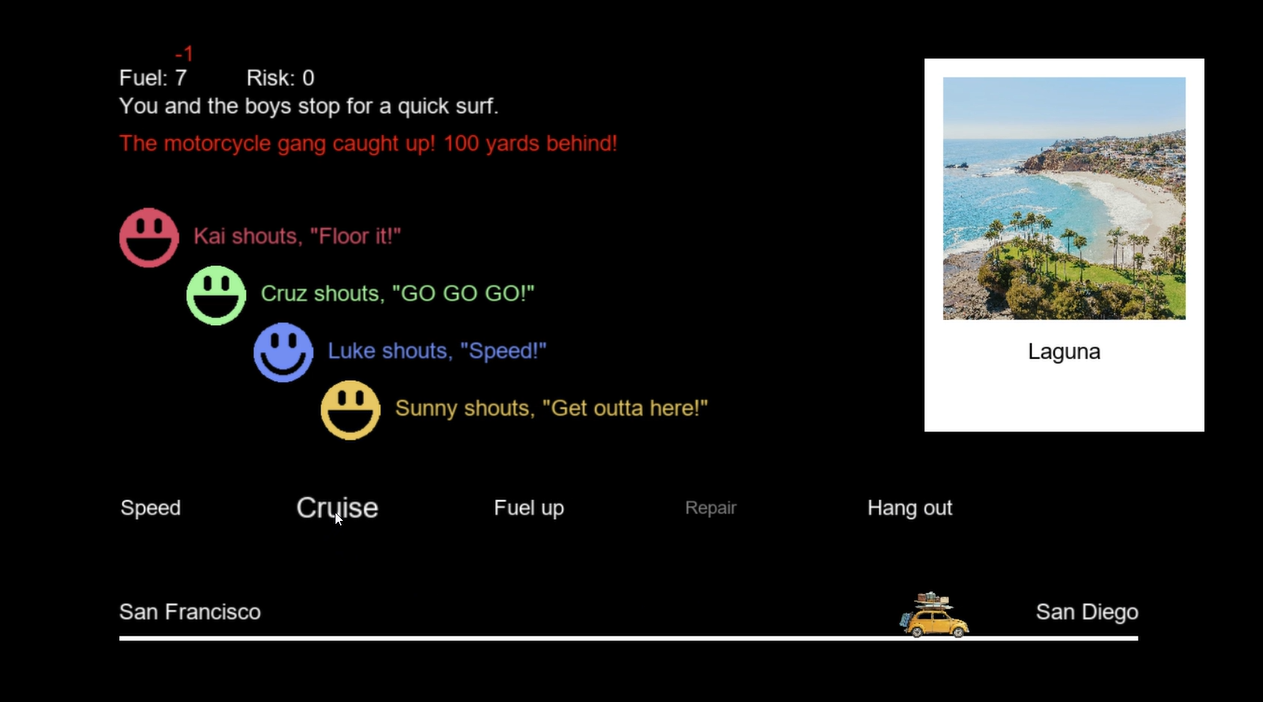
Beach Car Game

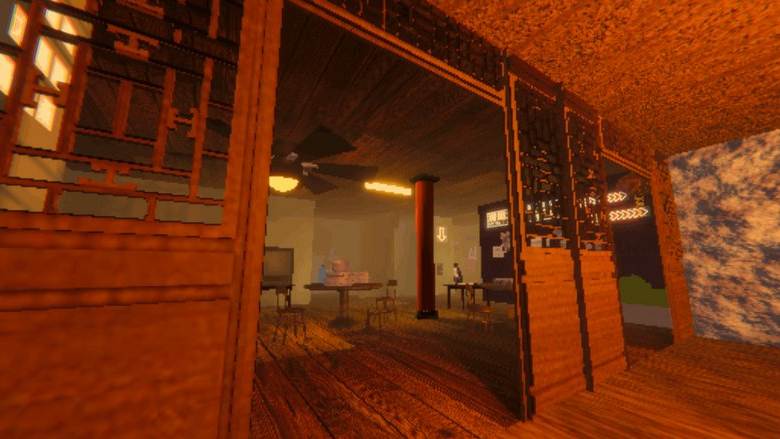
Thoroughly documented design process, road-trip text adventure about a group of SoCal surfer boys fleeing a motorgang.

RhythmTurn-based Combat

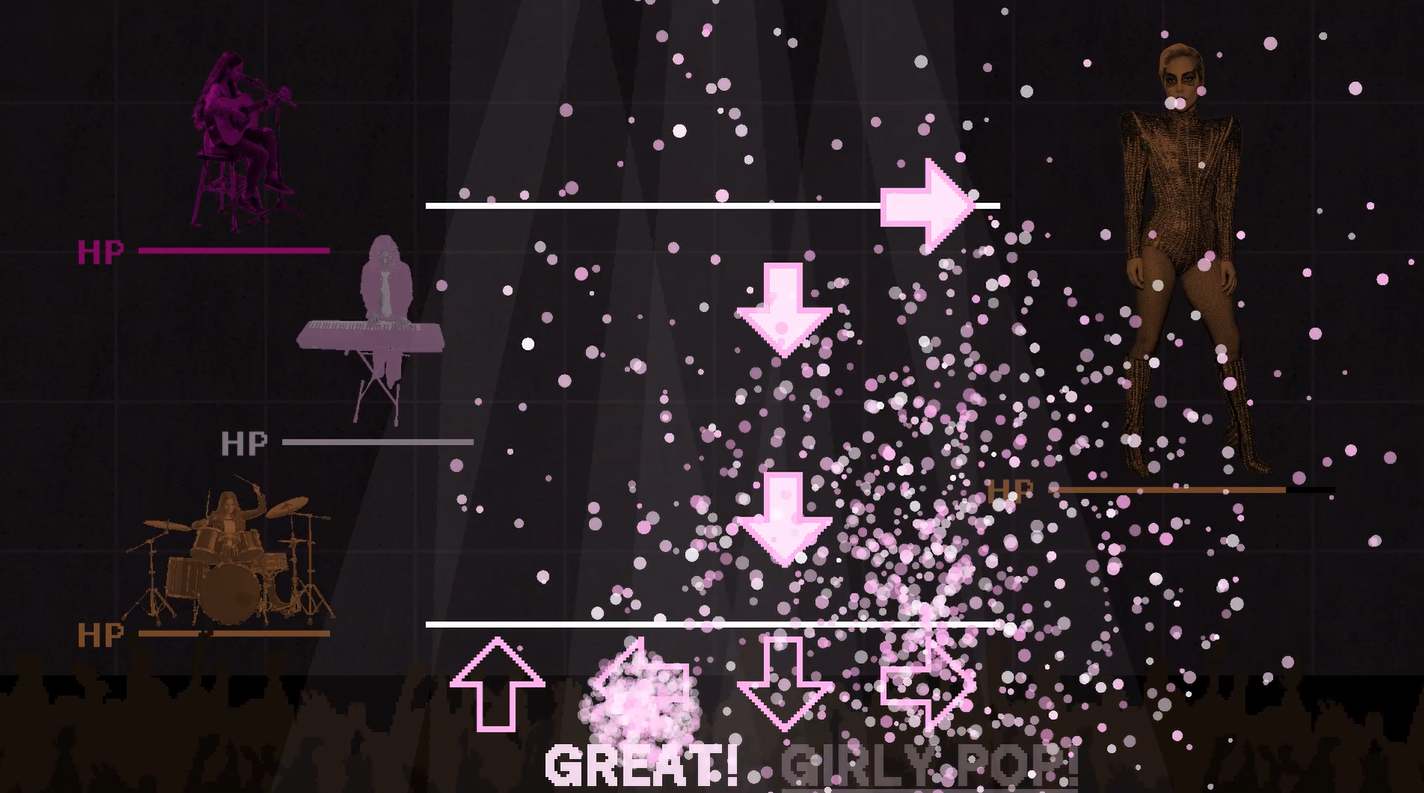
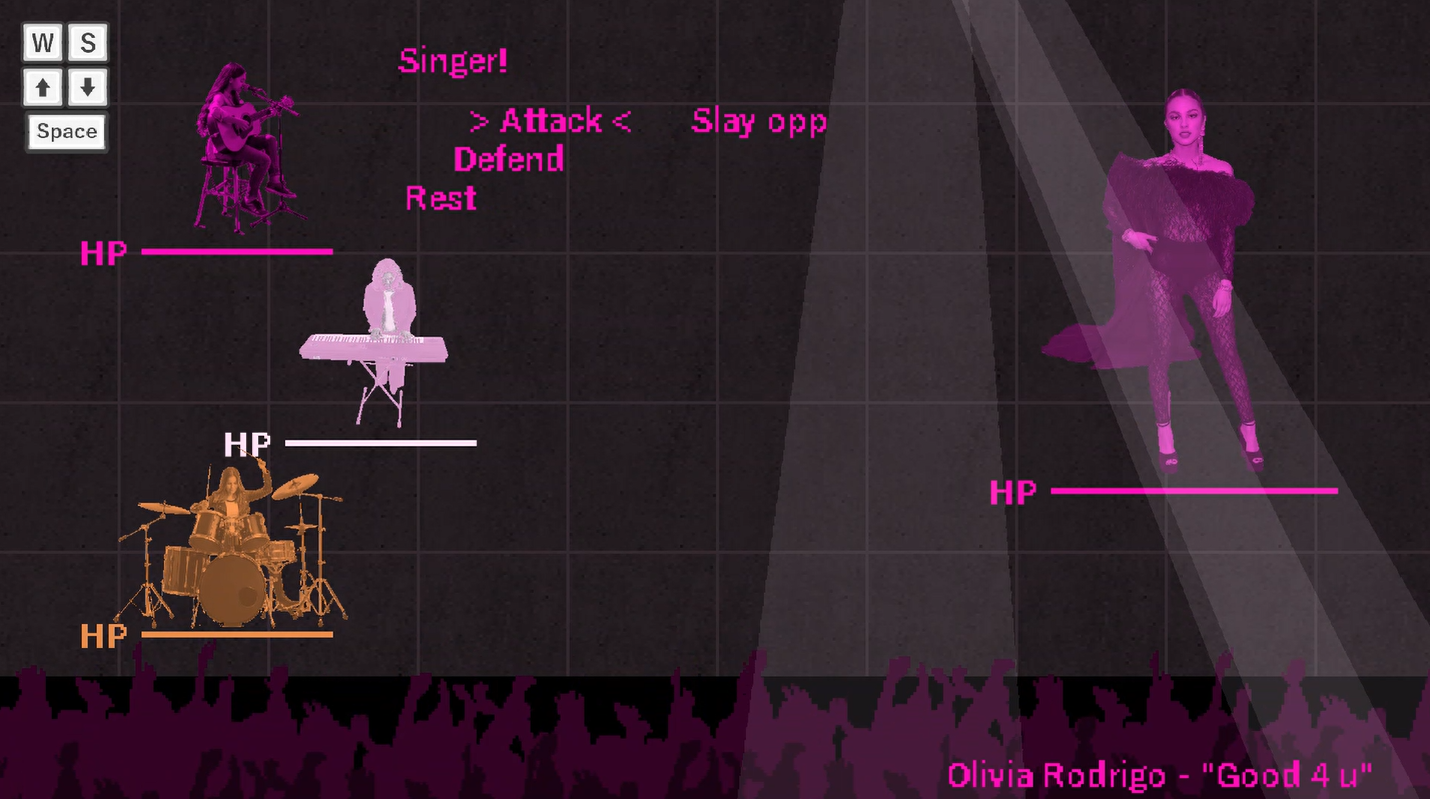
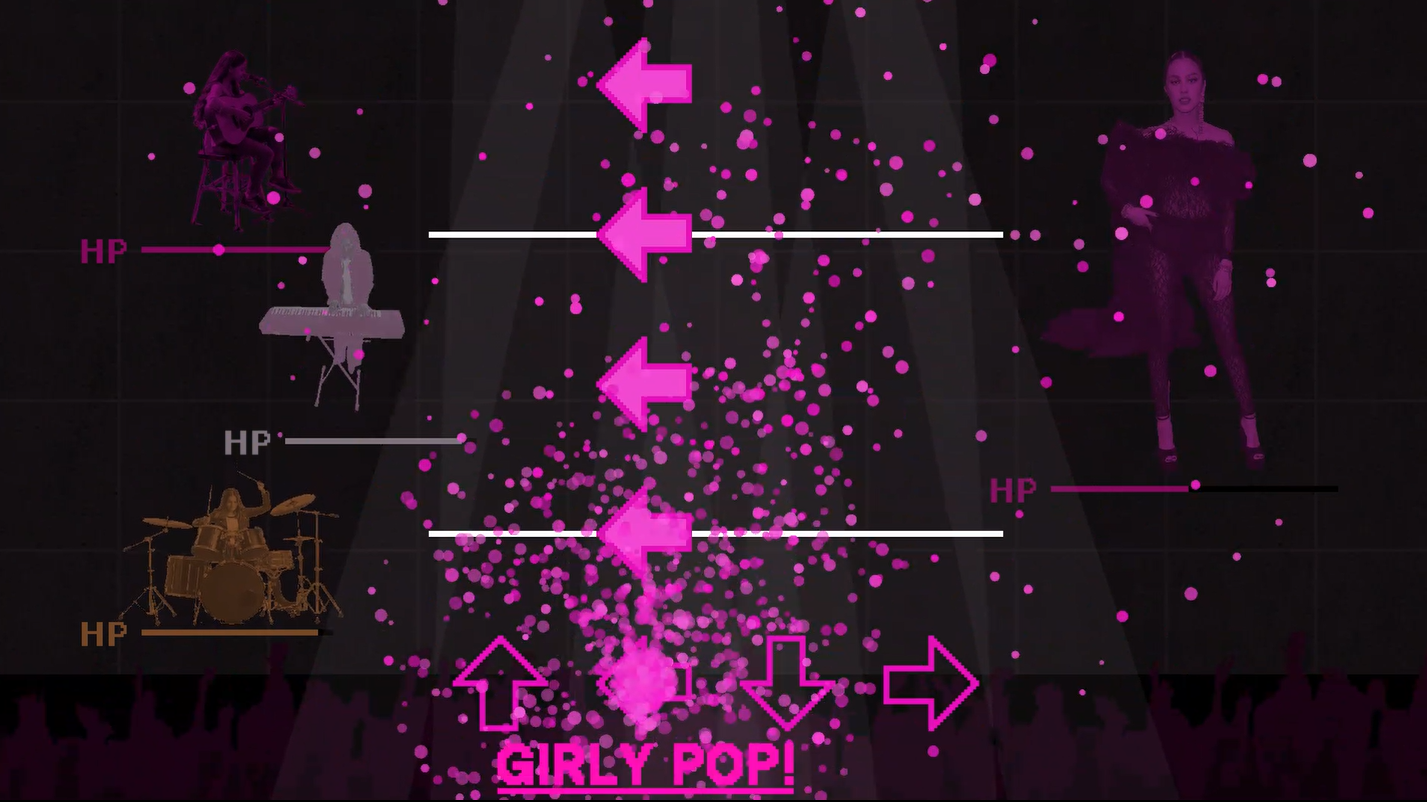
Pop-Off!

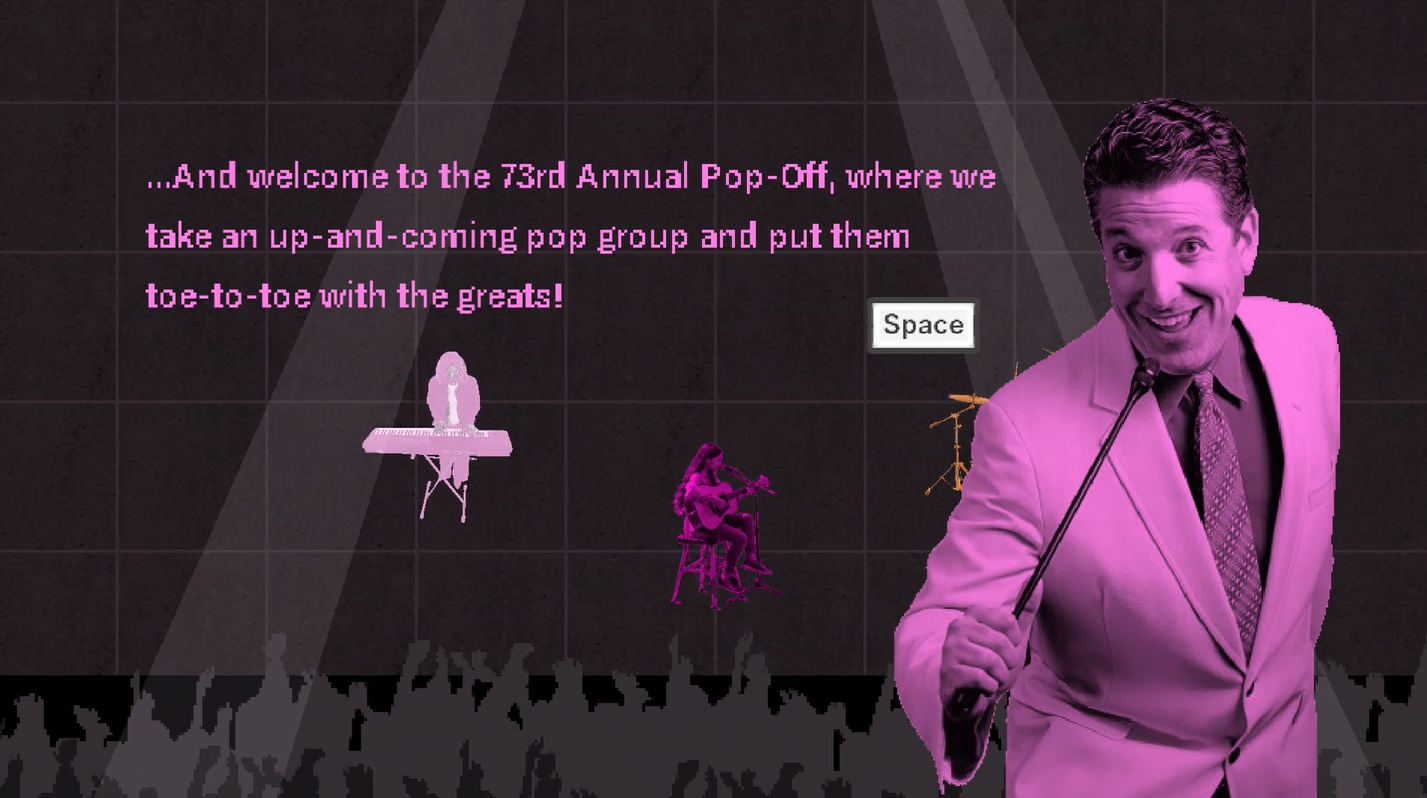
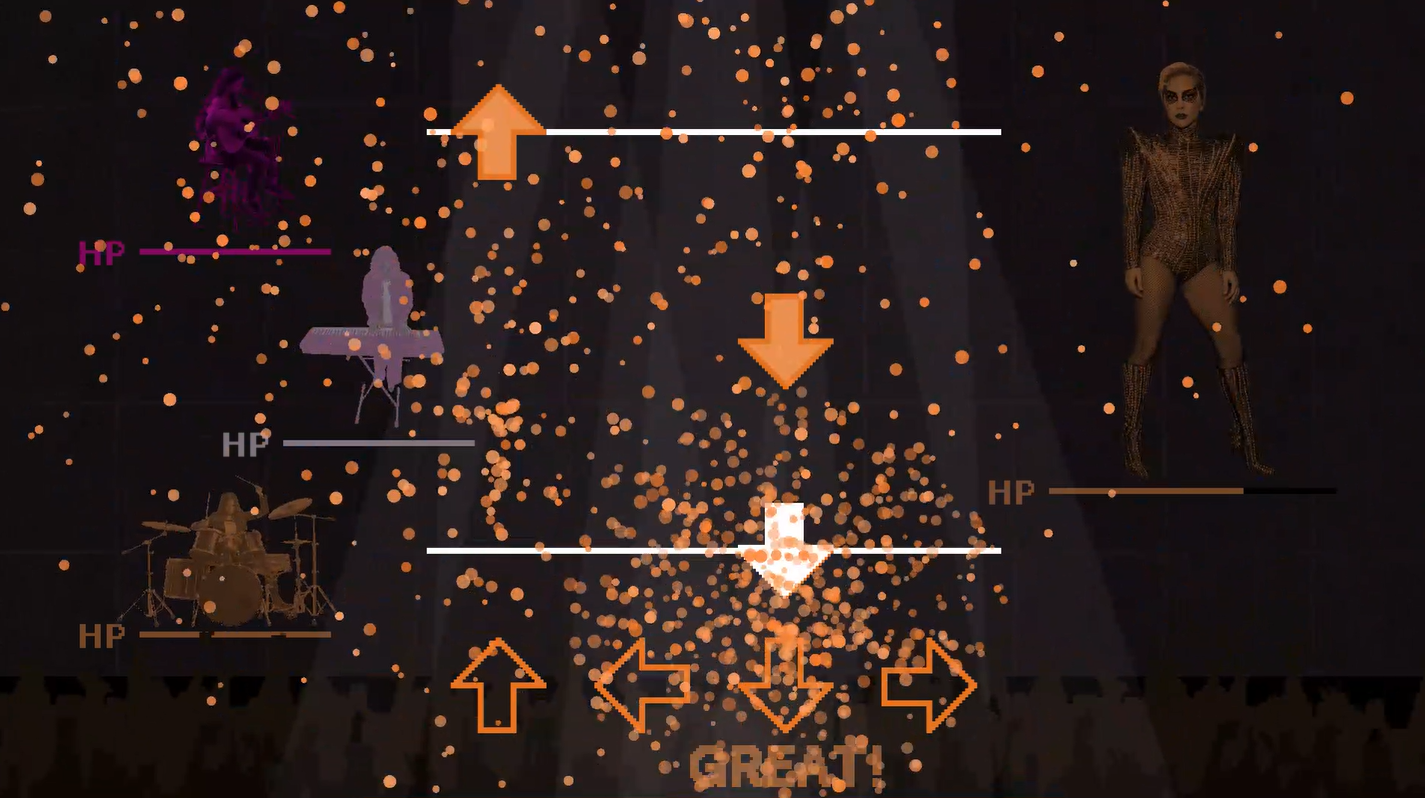
Pop-star boss rush where Guitar Hero meets turn-based RPG, developed for Girly Pop Game Jam.

Game BuilderJava

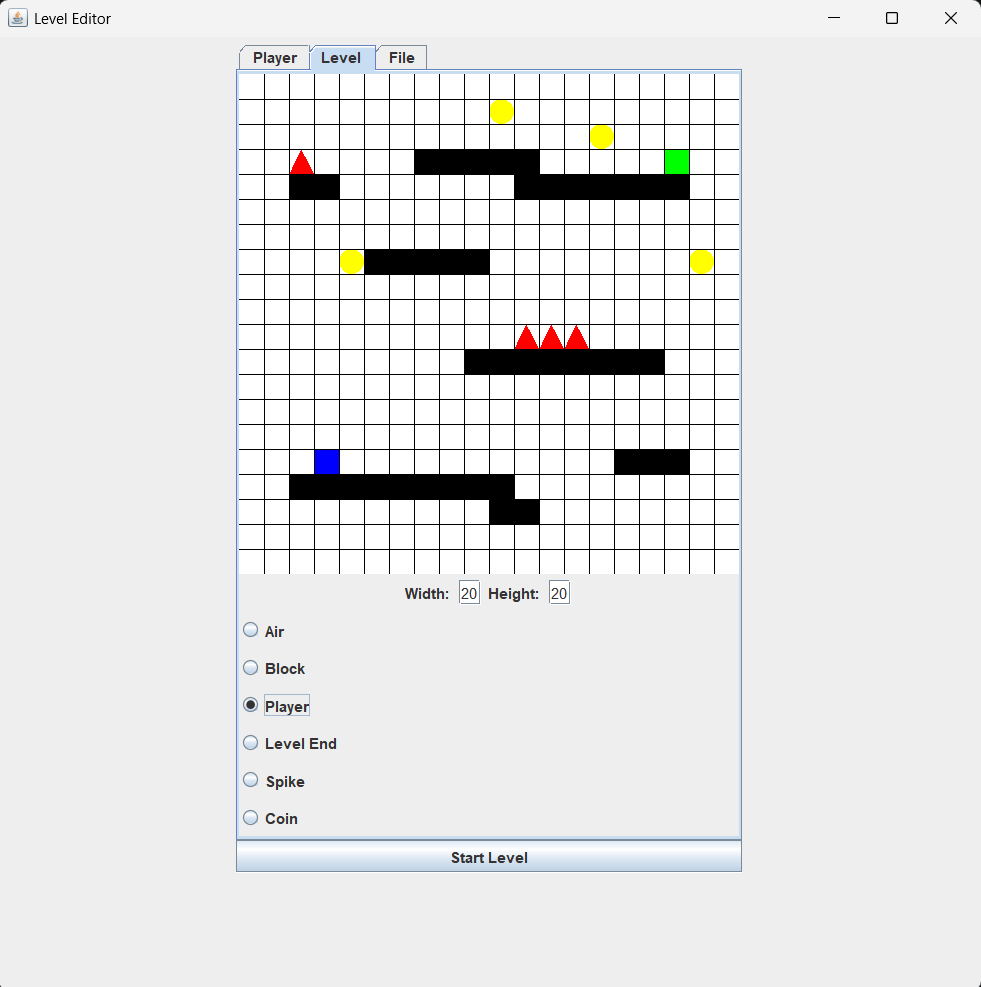
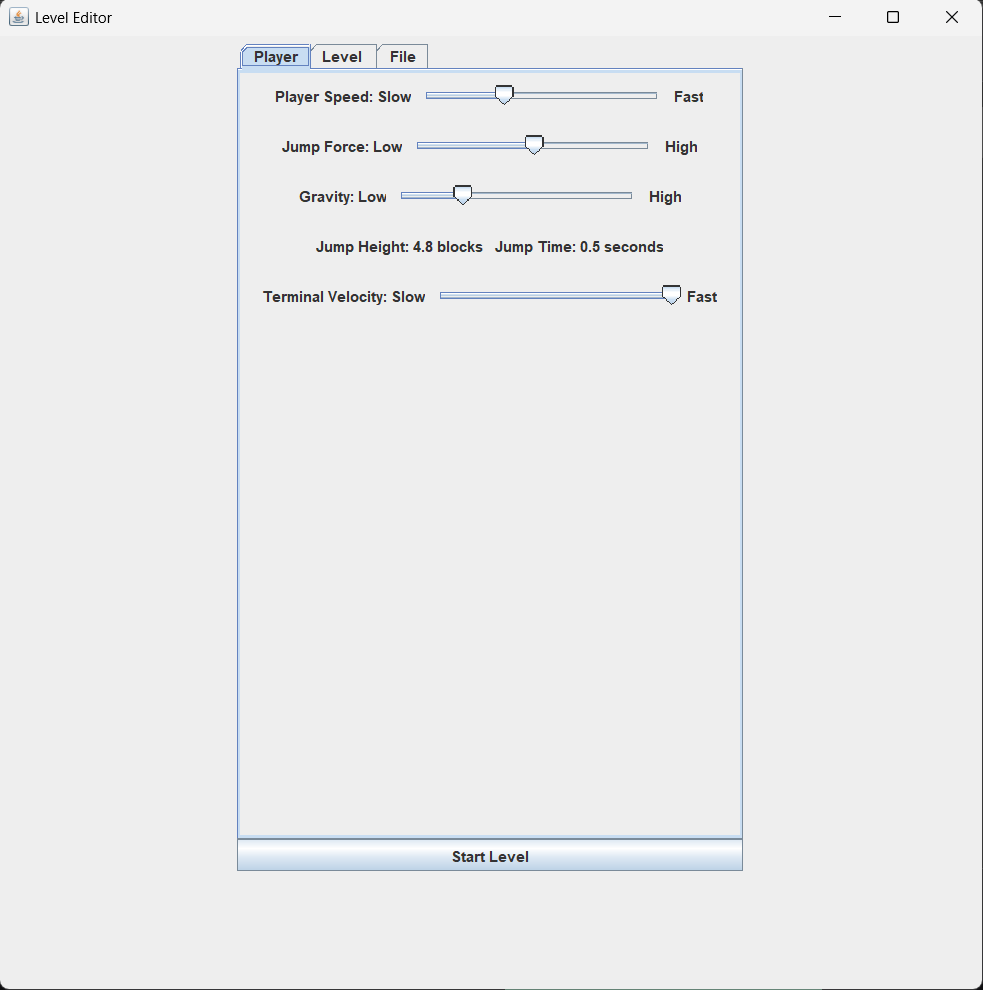
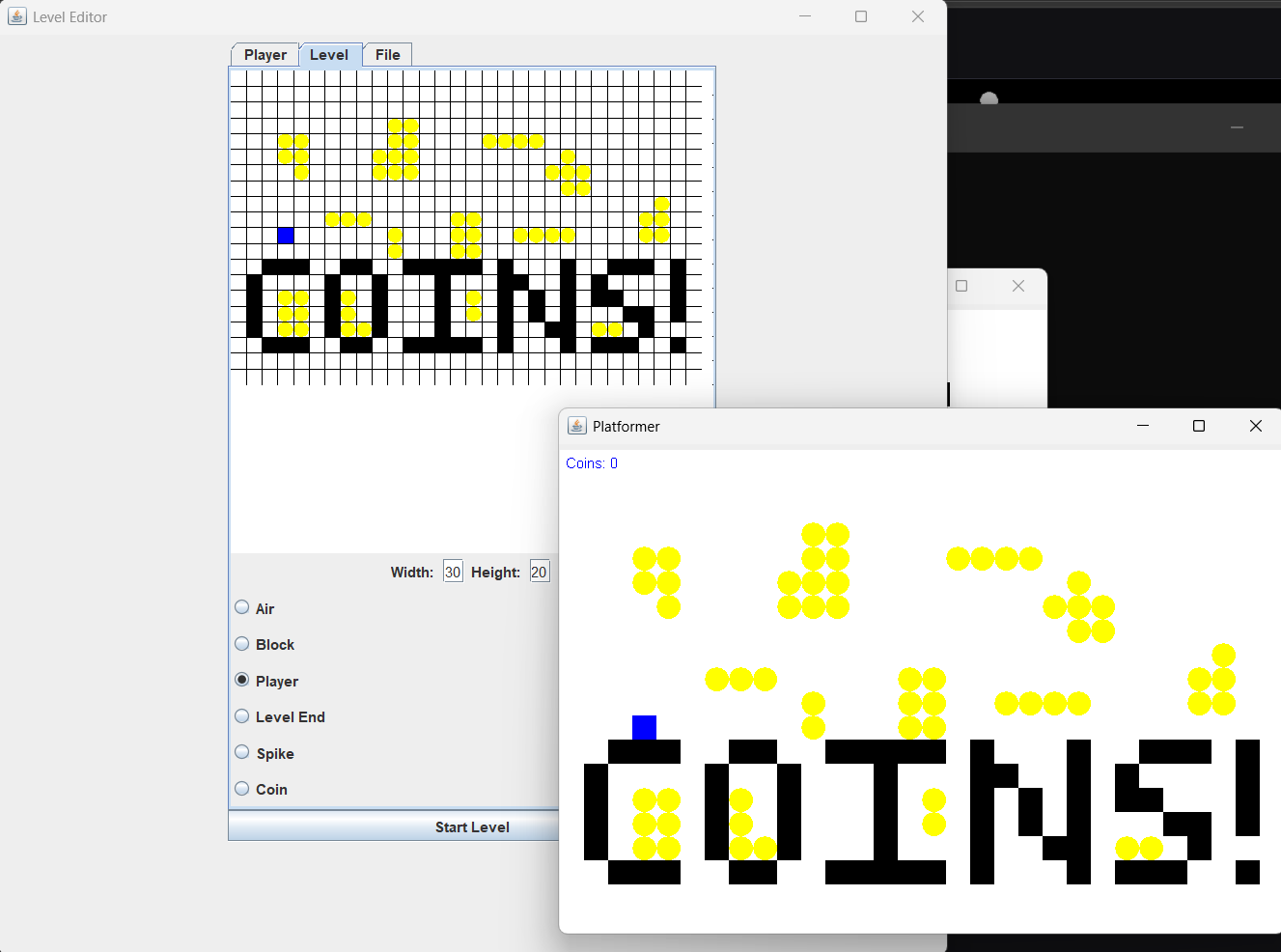
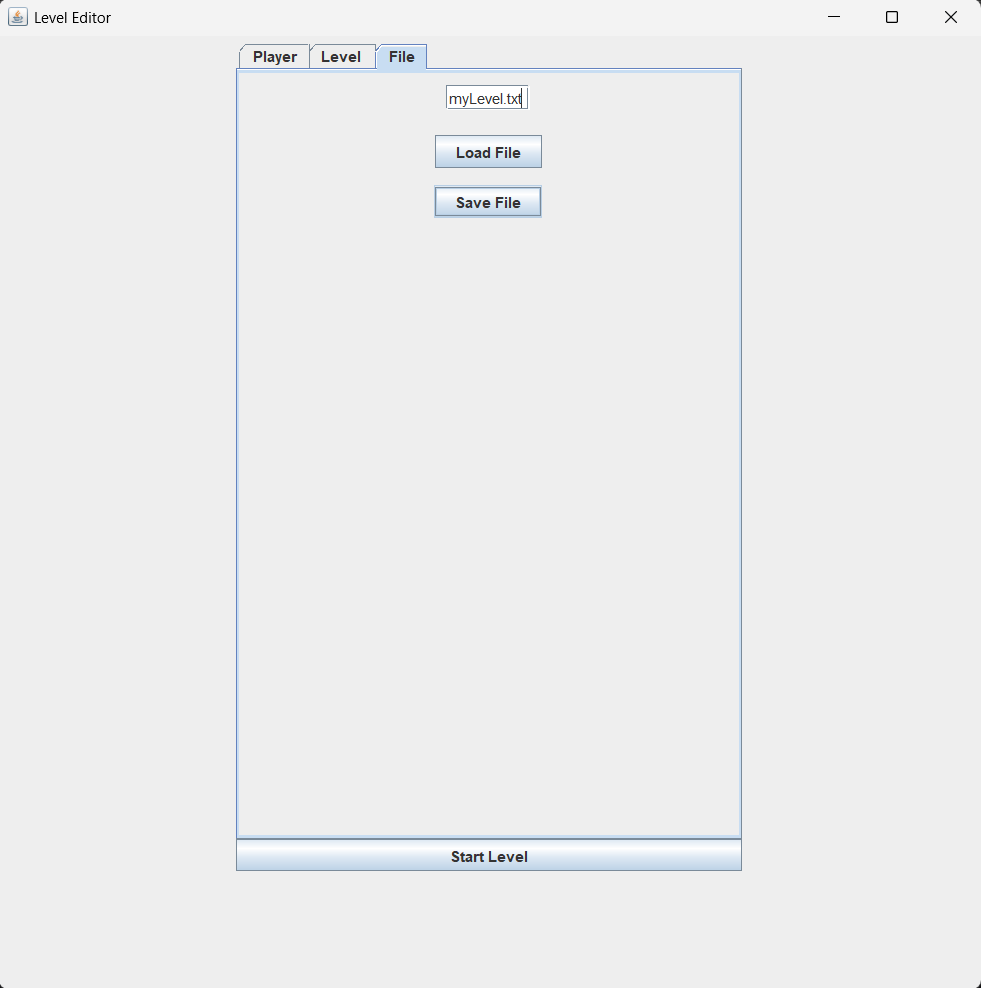
Build Your Own Platformer

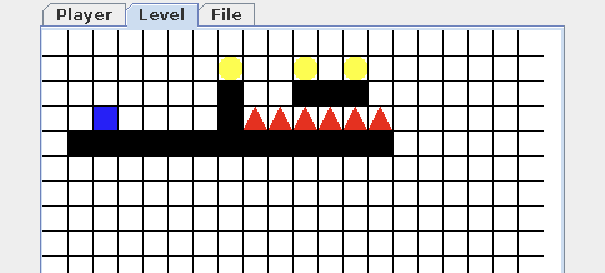
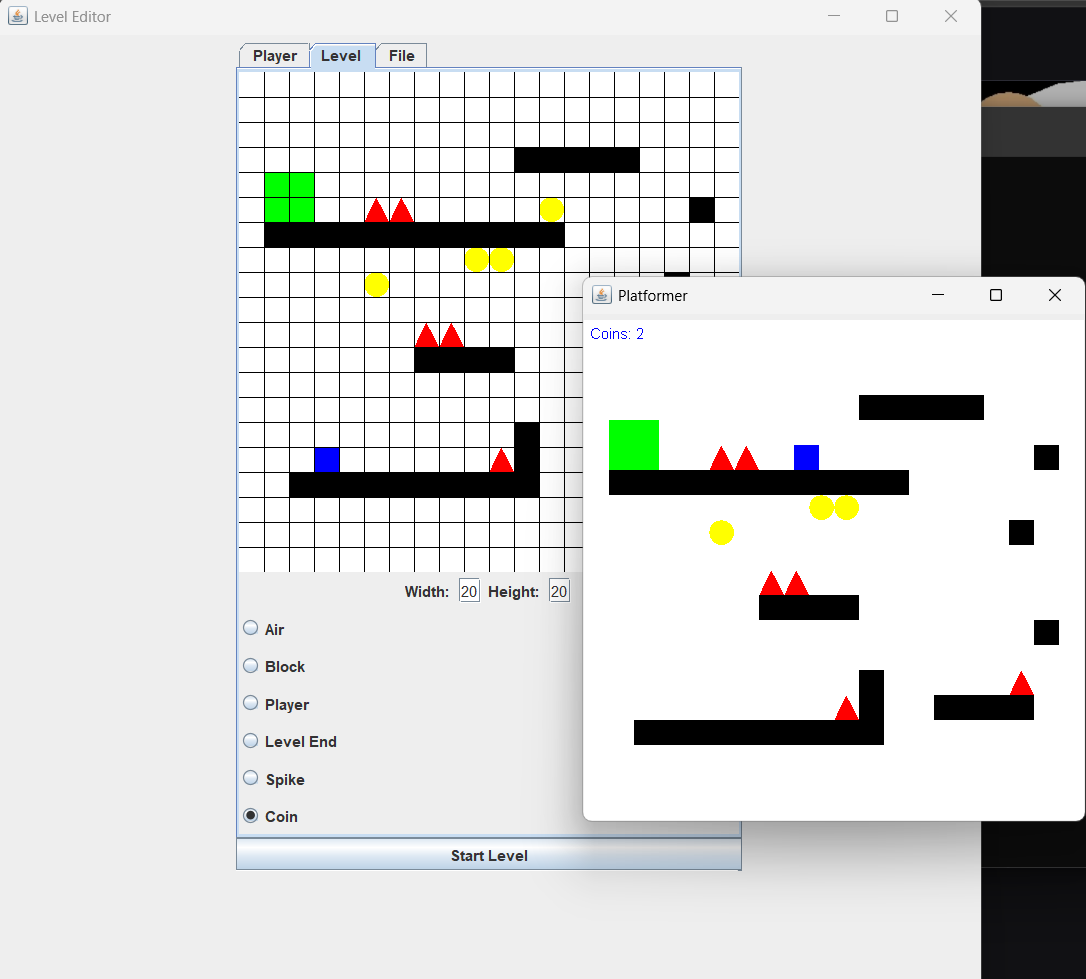
Pick-up-and-play development tool that lets players build their own RPG player character and levels.

ArcadePhysics

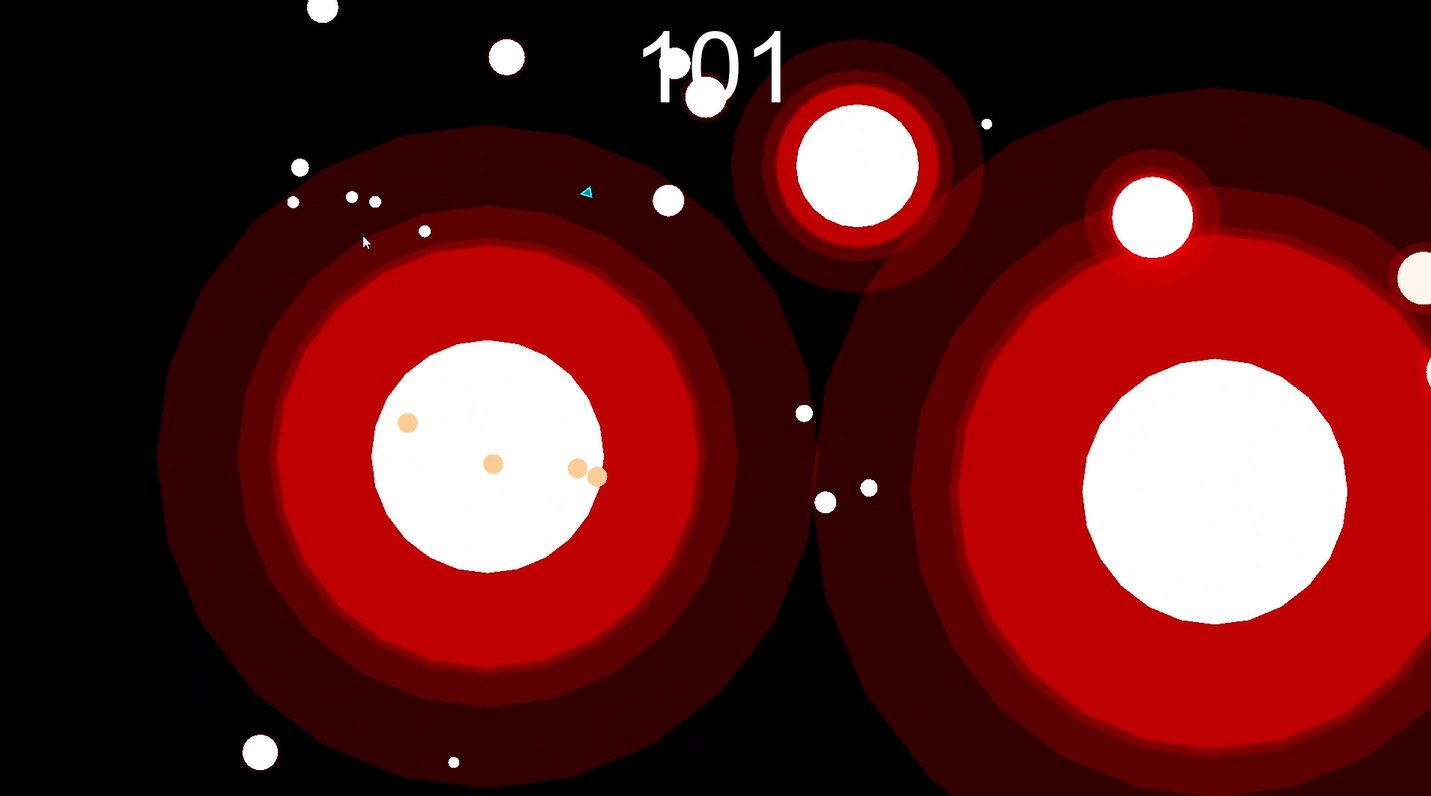
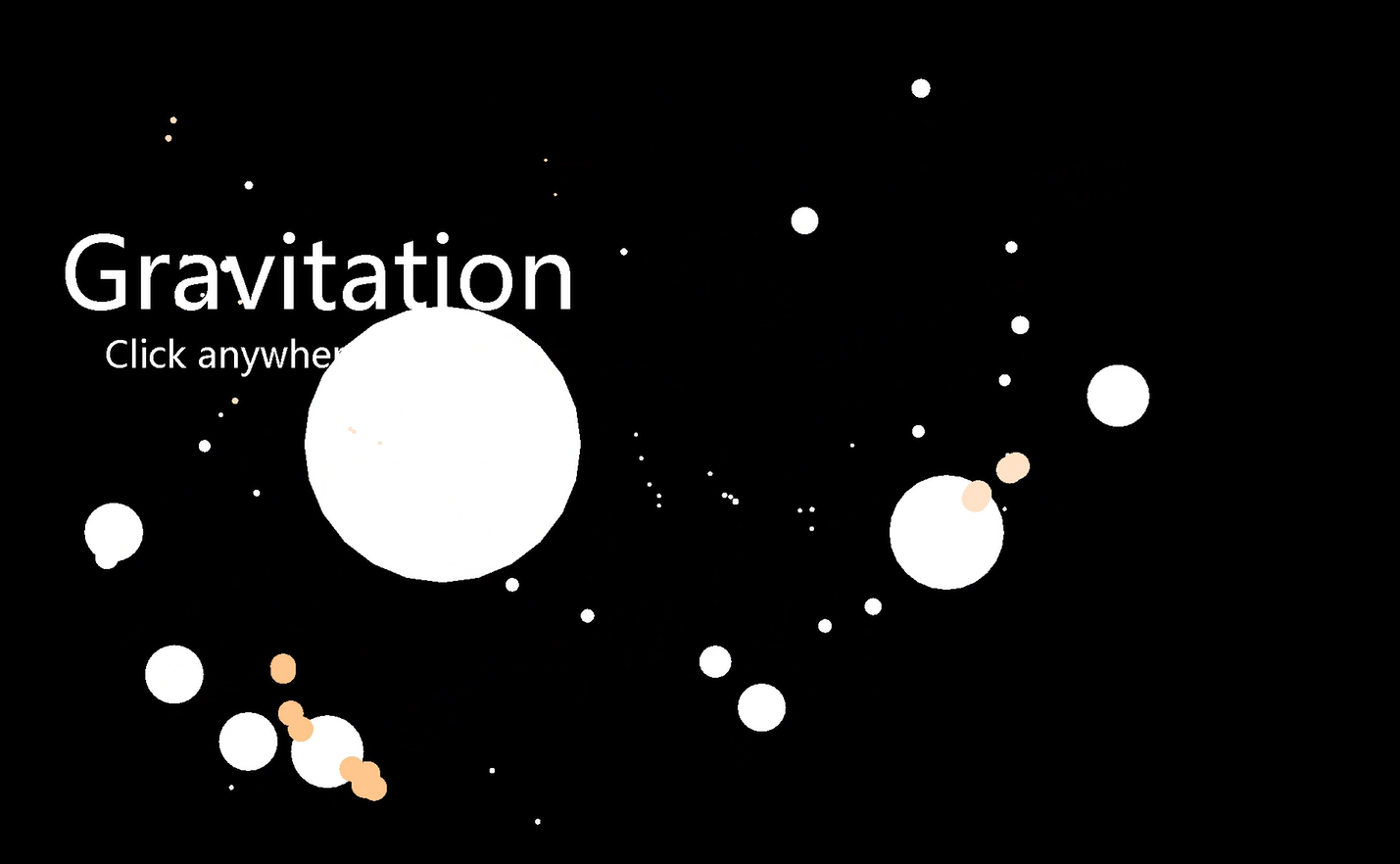
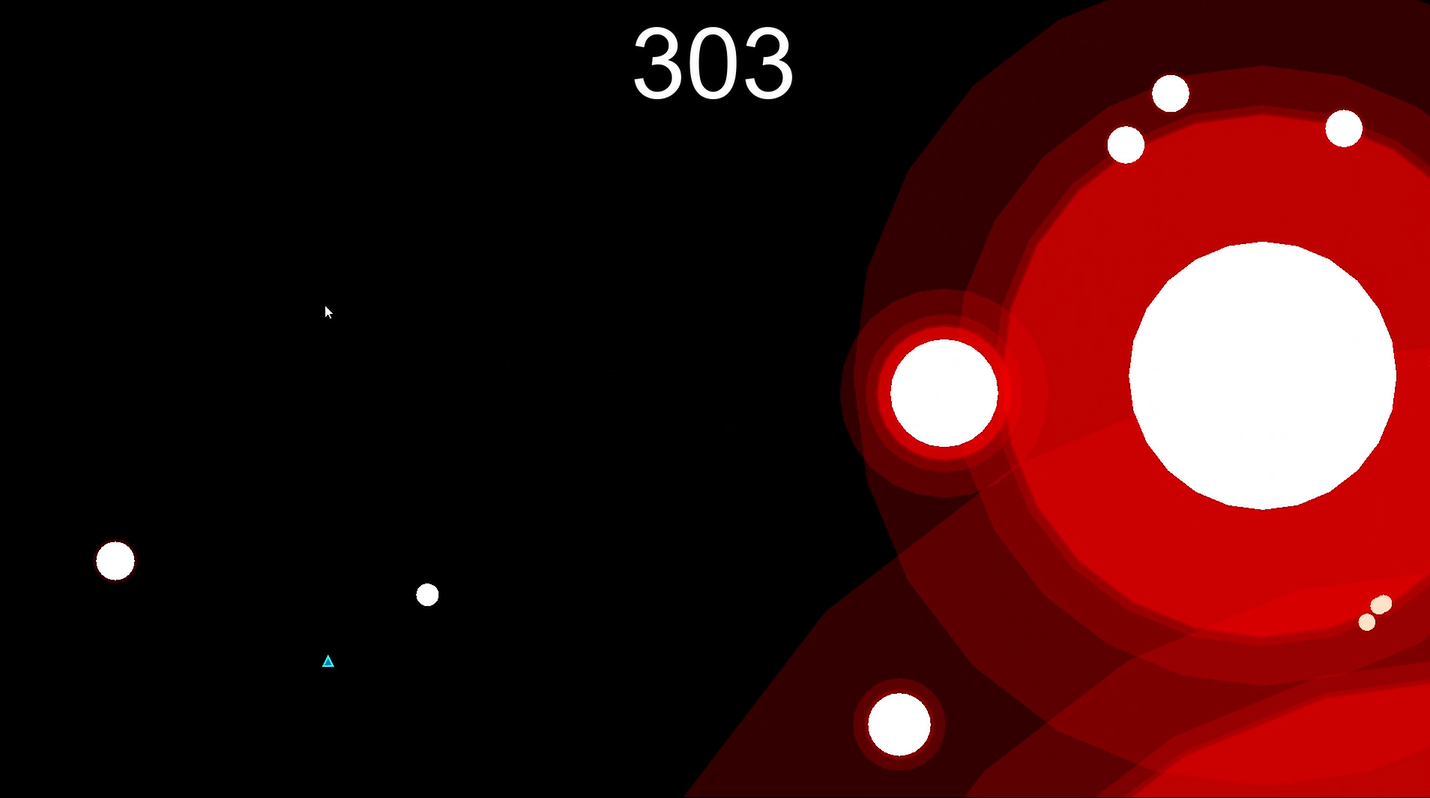
Gravitation

Newtonian arcade game about weaving through the chaos of colliding astral bodies.

HorrorProc. Anim

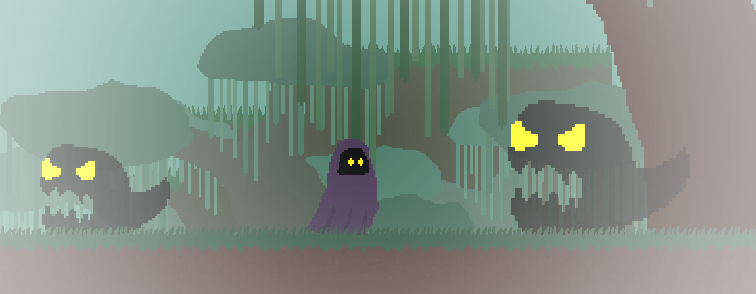
Safe Travels

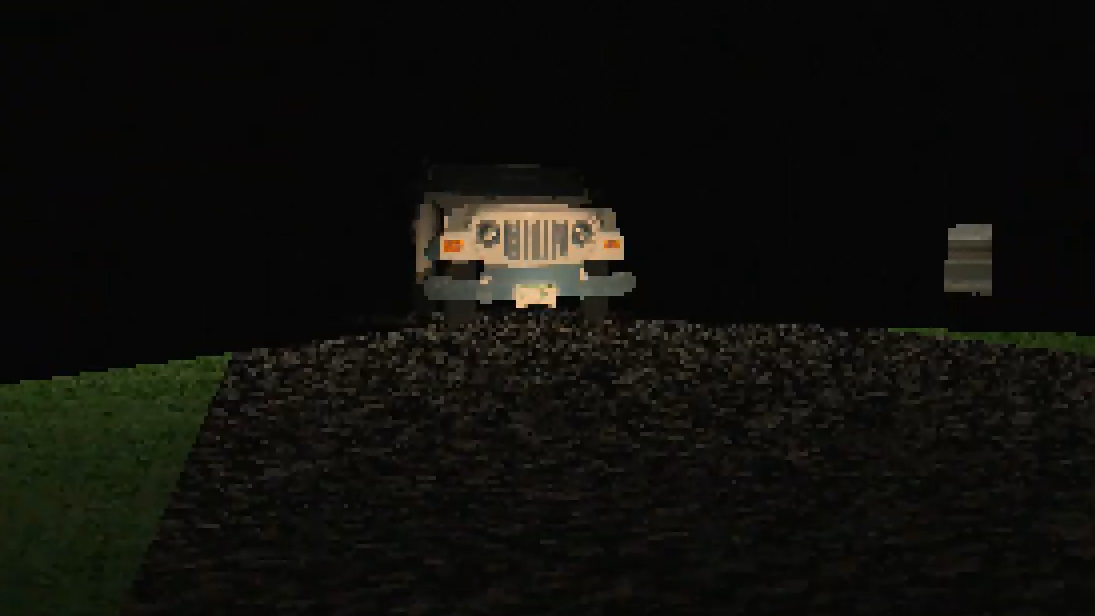
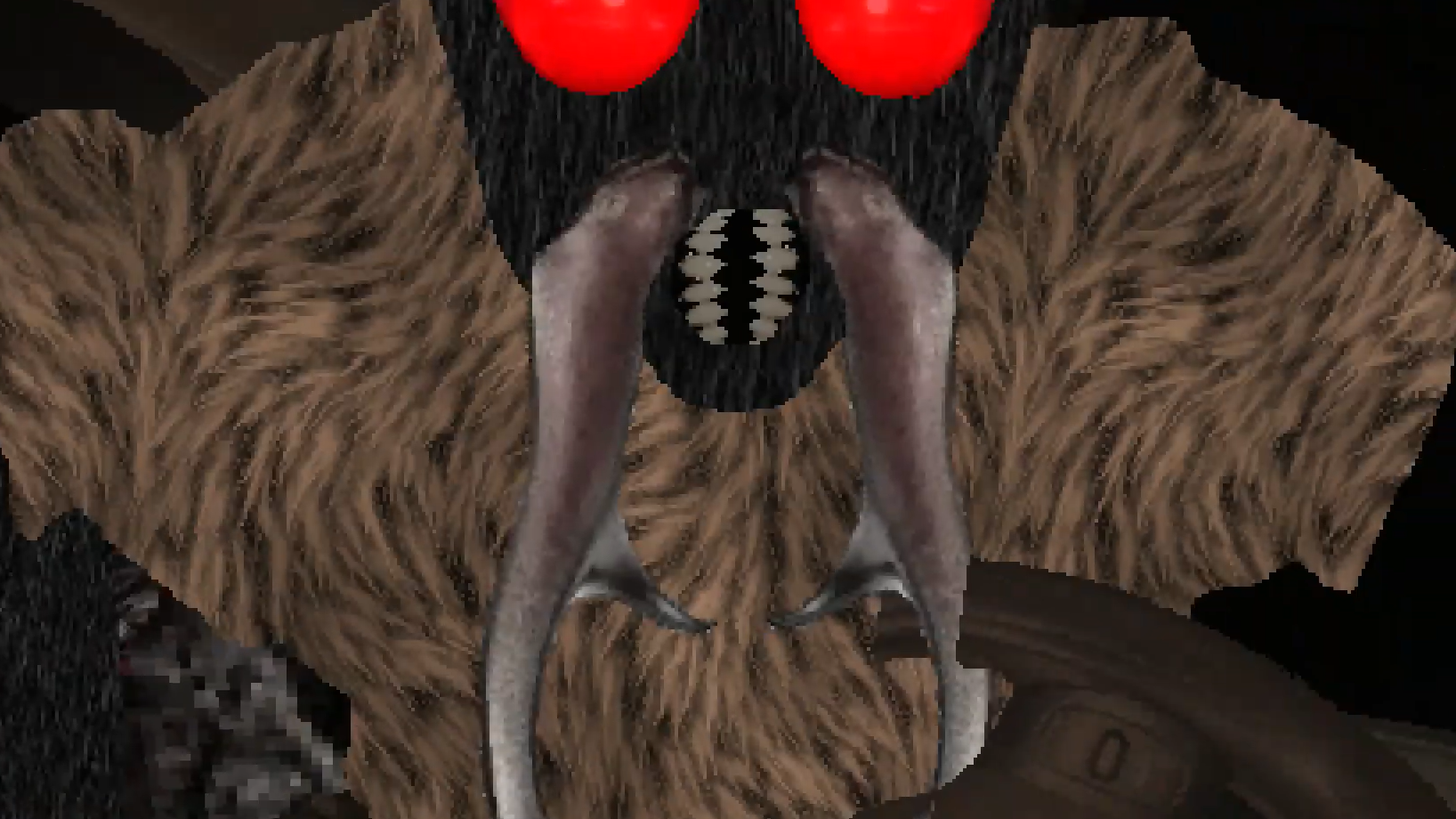
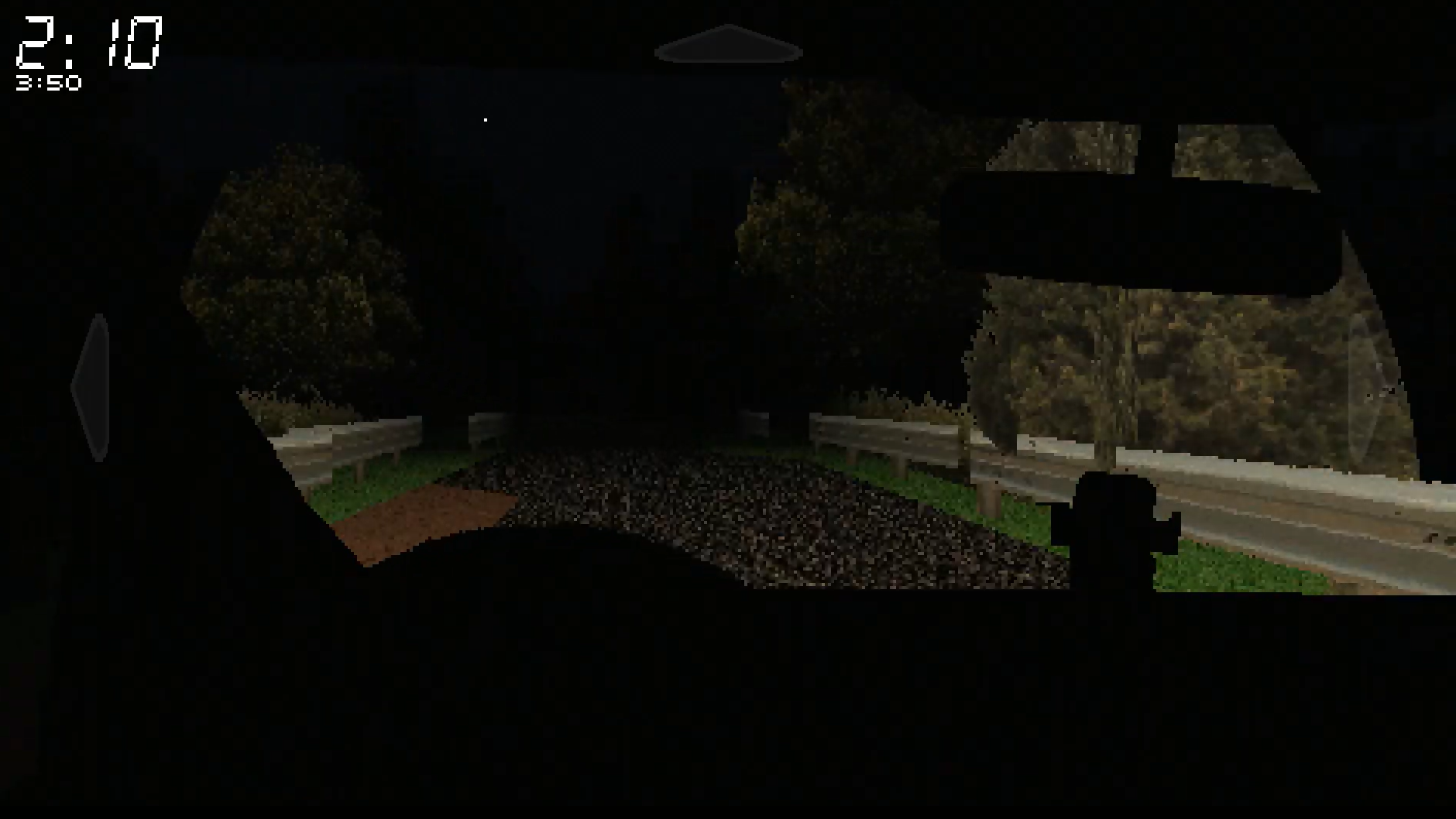
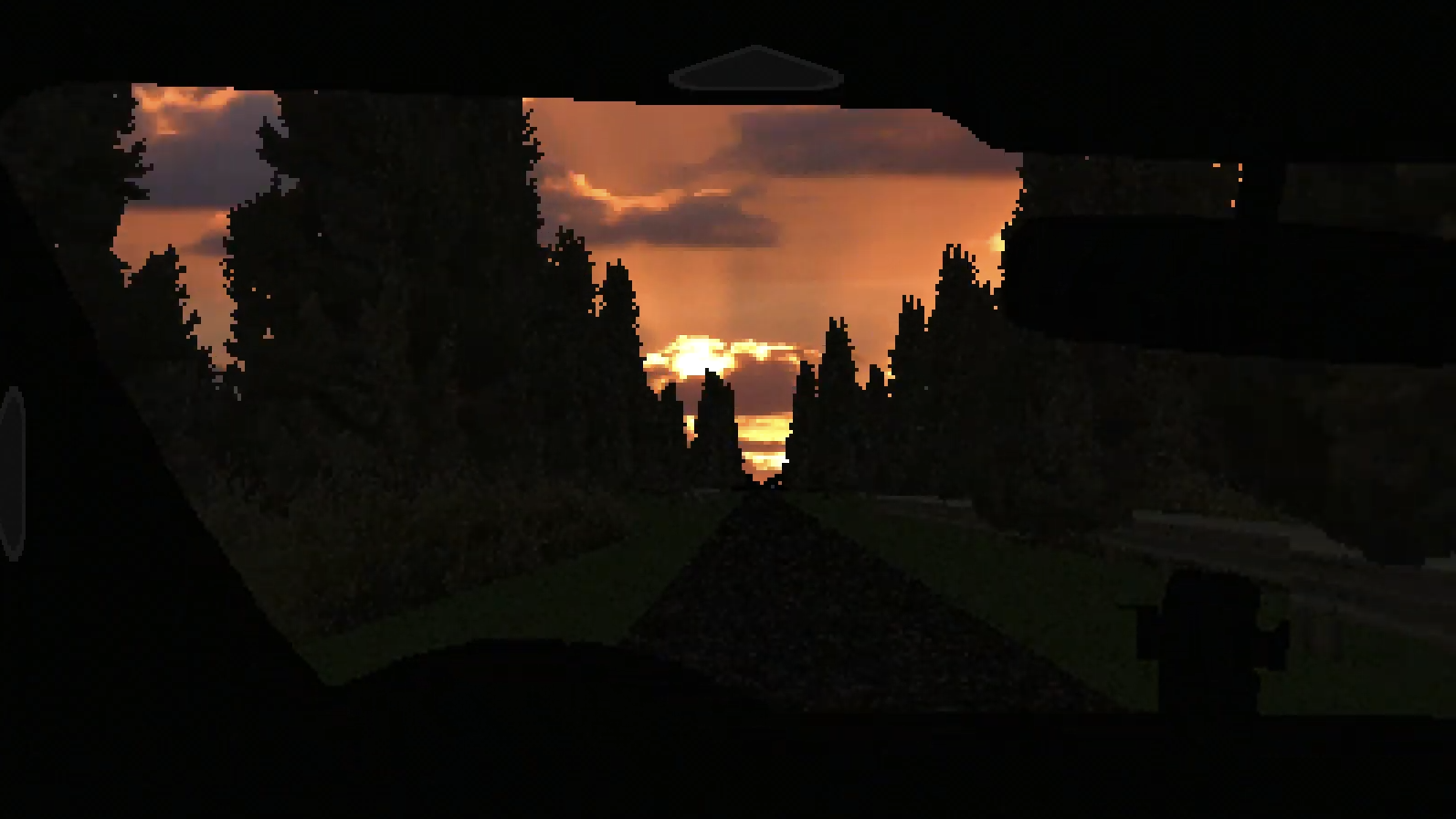
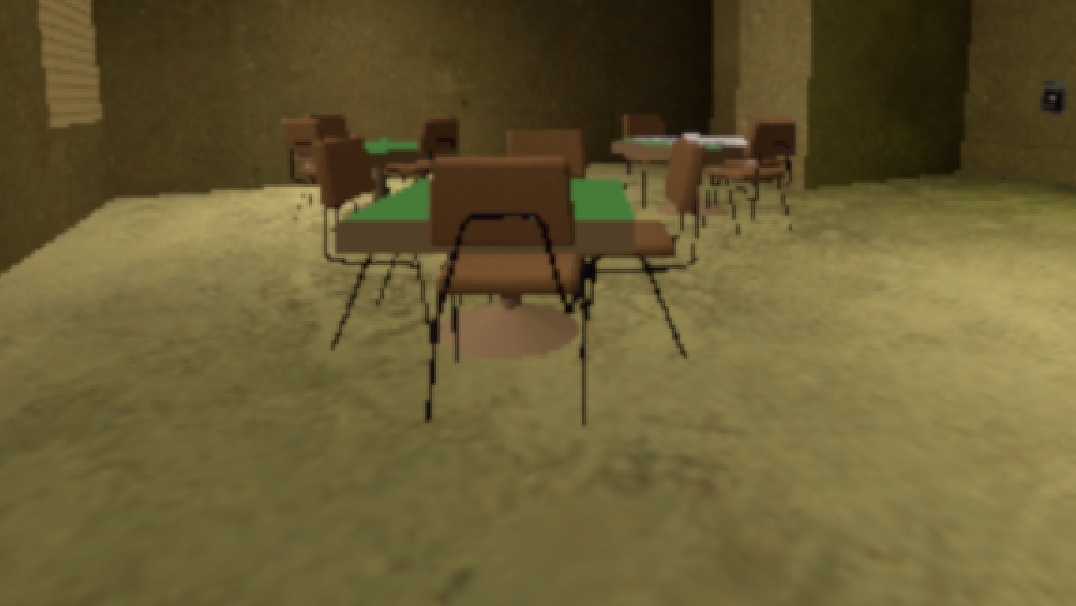
A horror game about night driving, moth man, and growing up.

MetroidvaniaSandbox

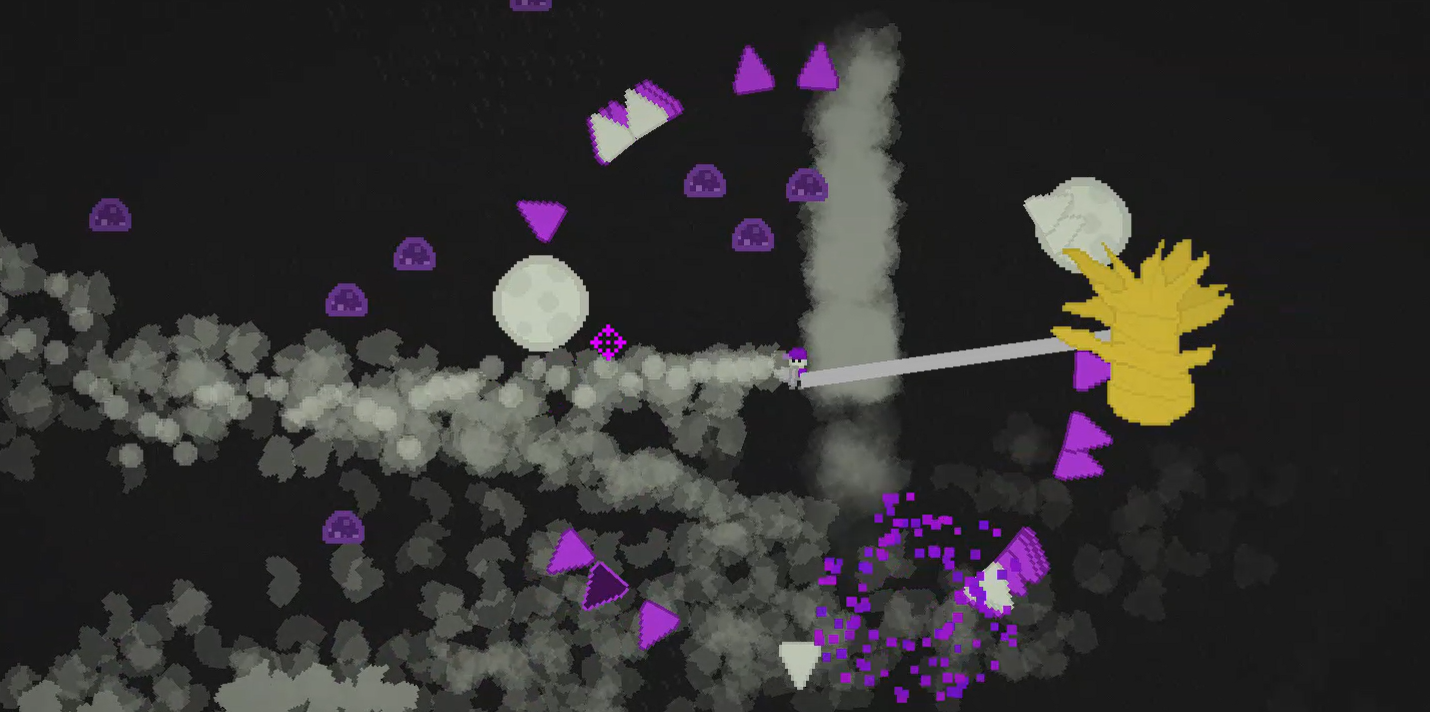
Nitrojet

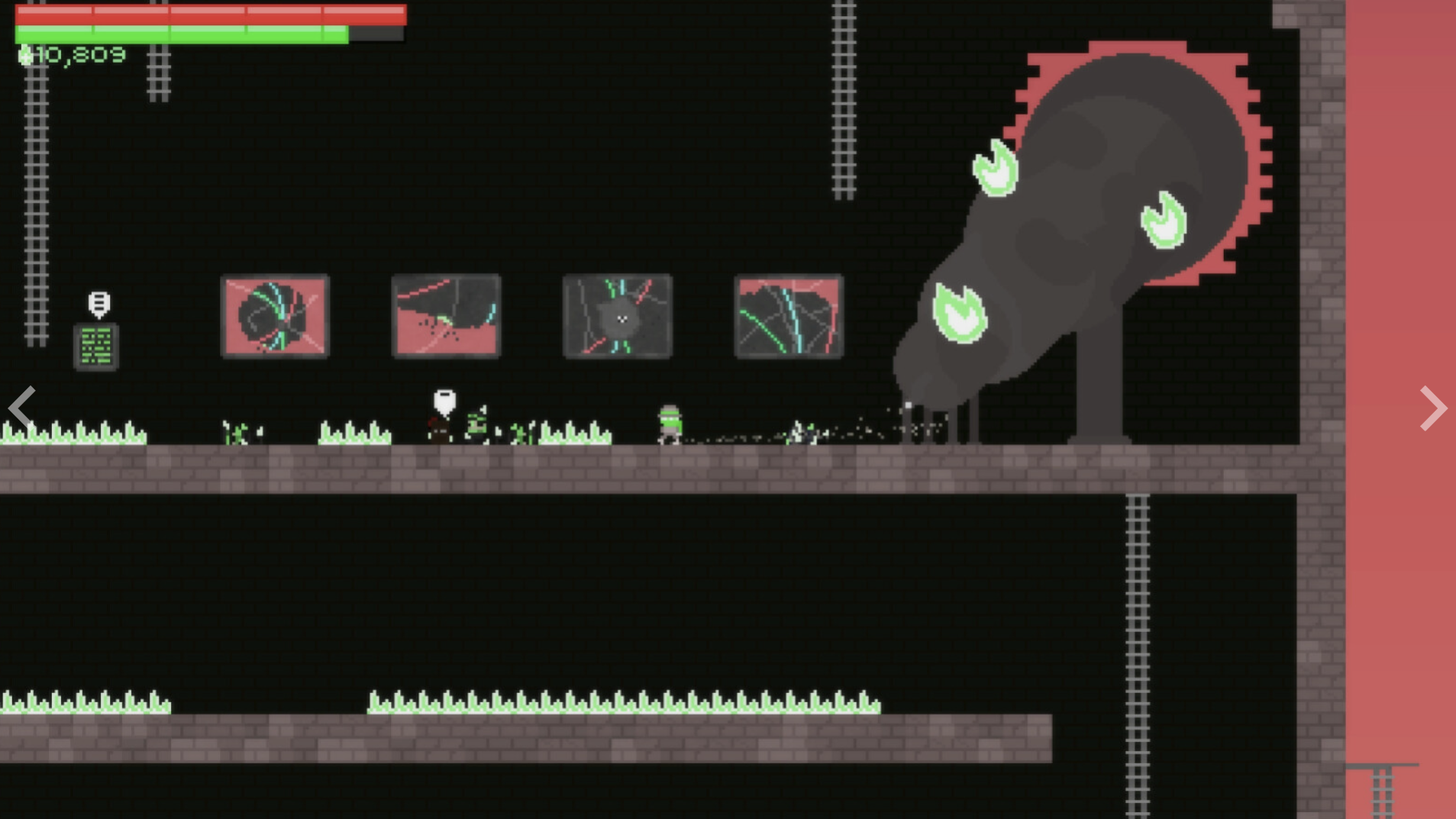
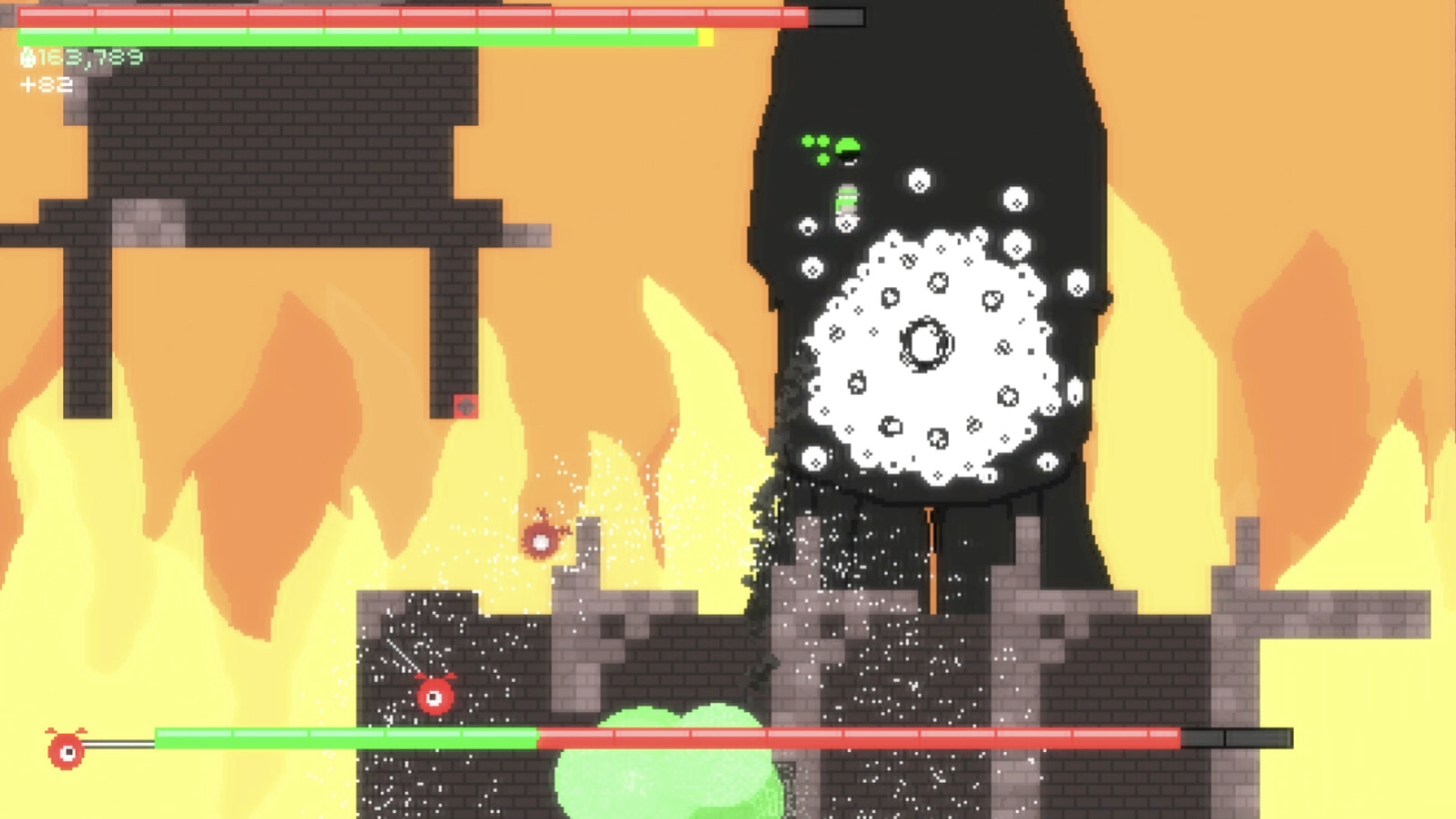
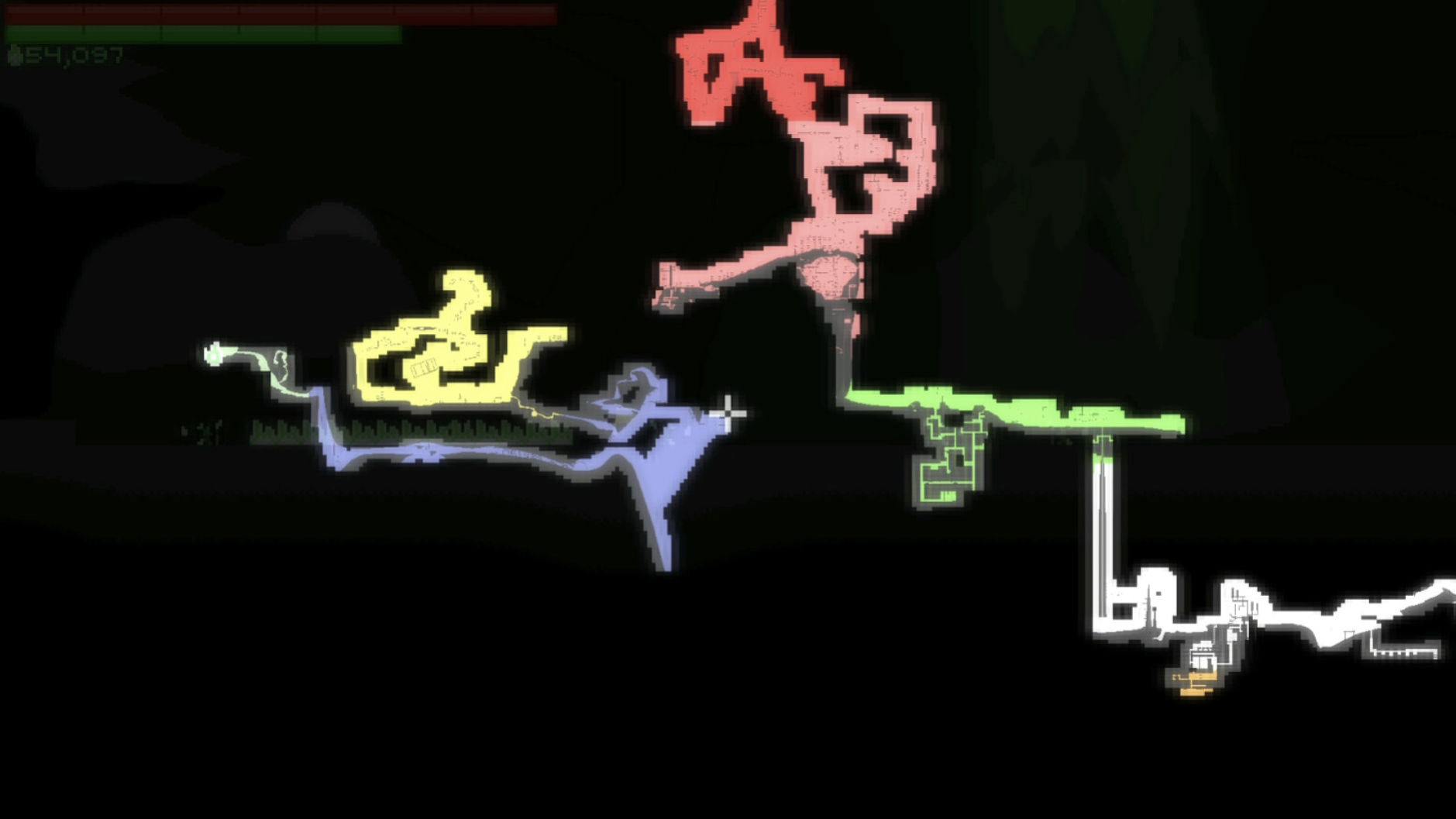
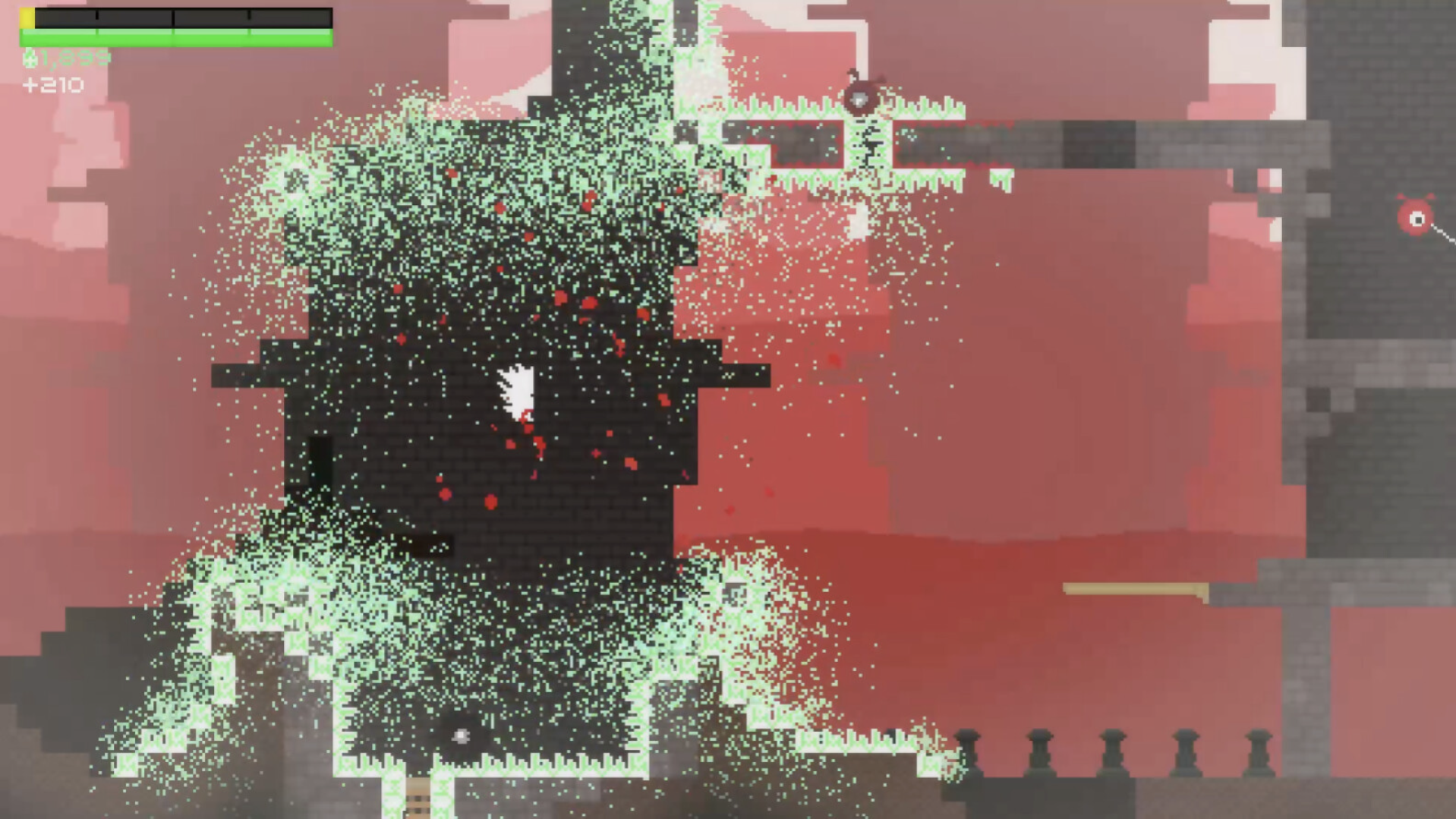
An expansive and chaotic Metroidvania where everything is destructible.

Arcade

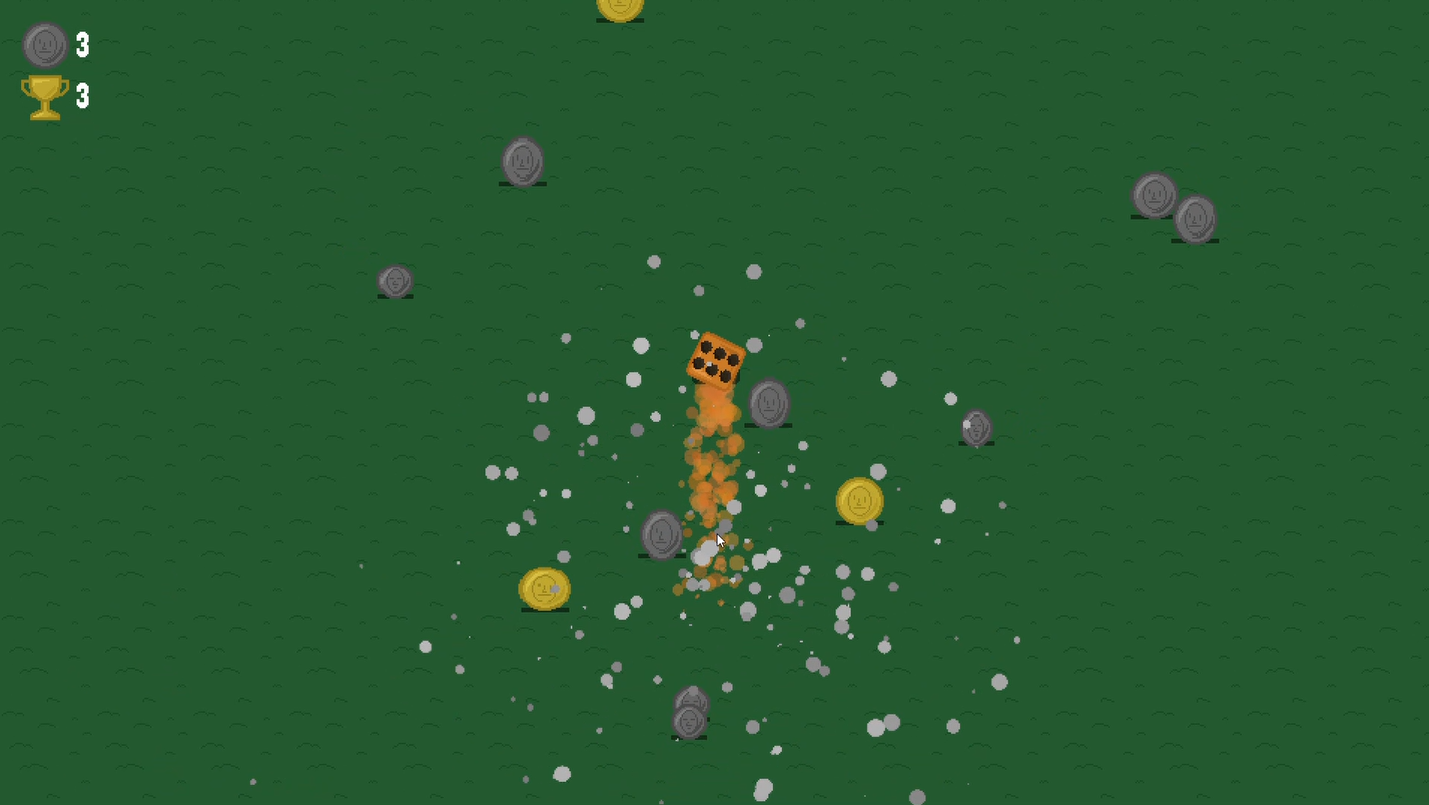
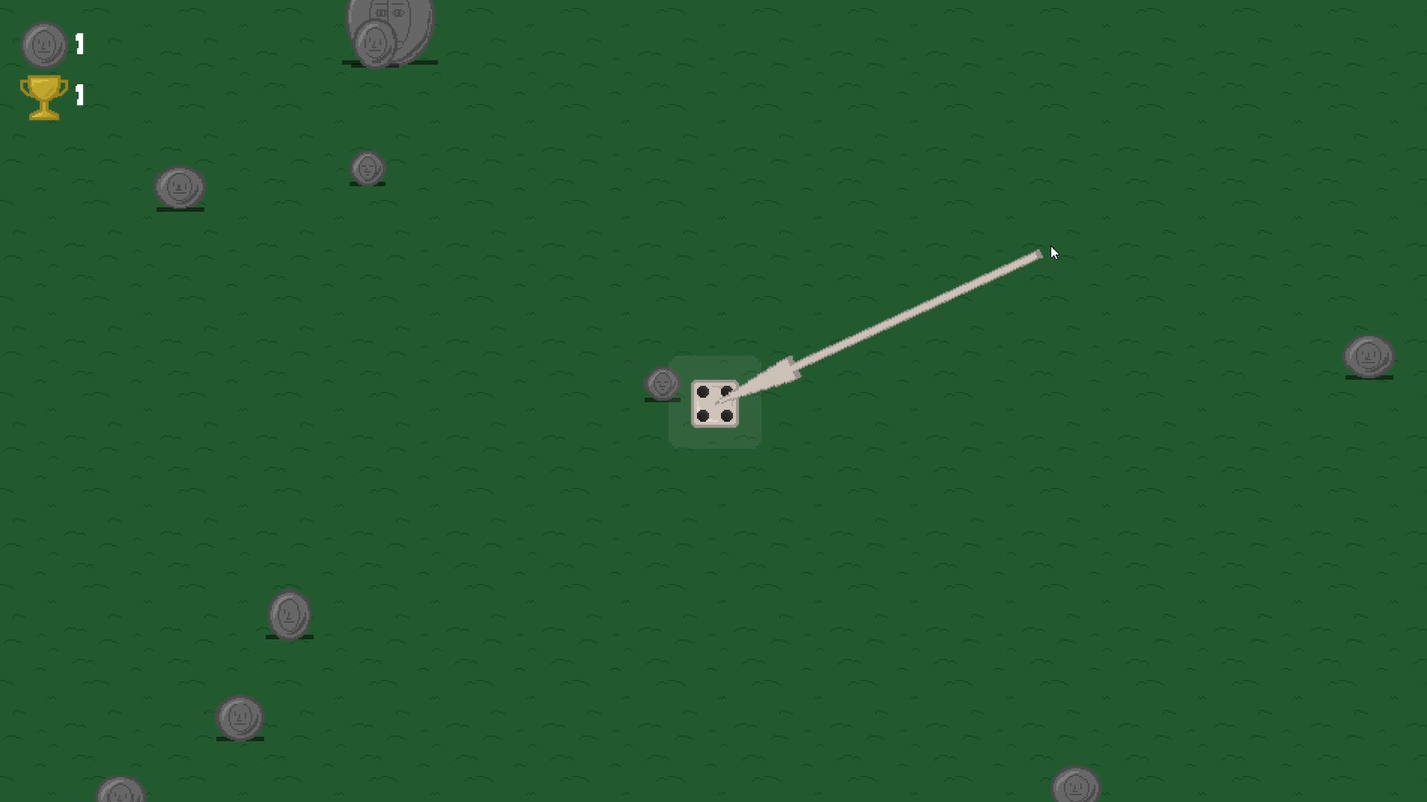
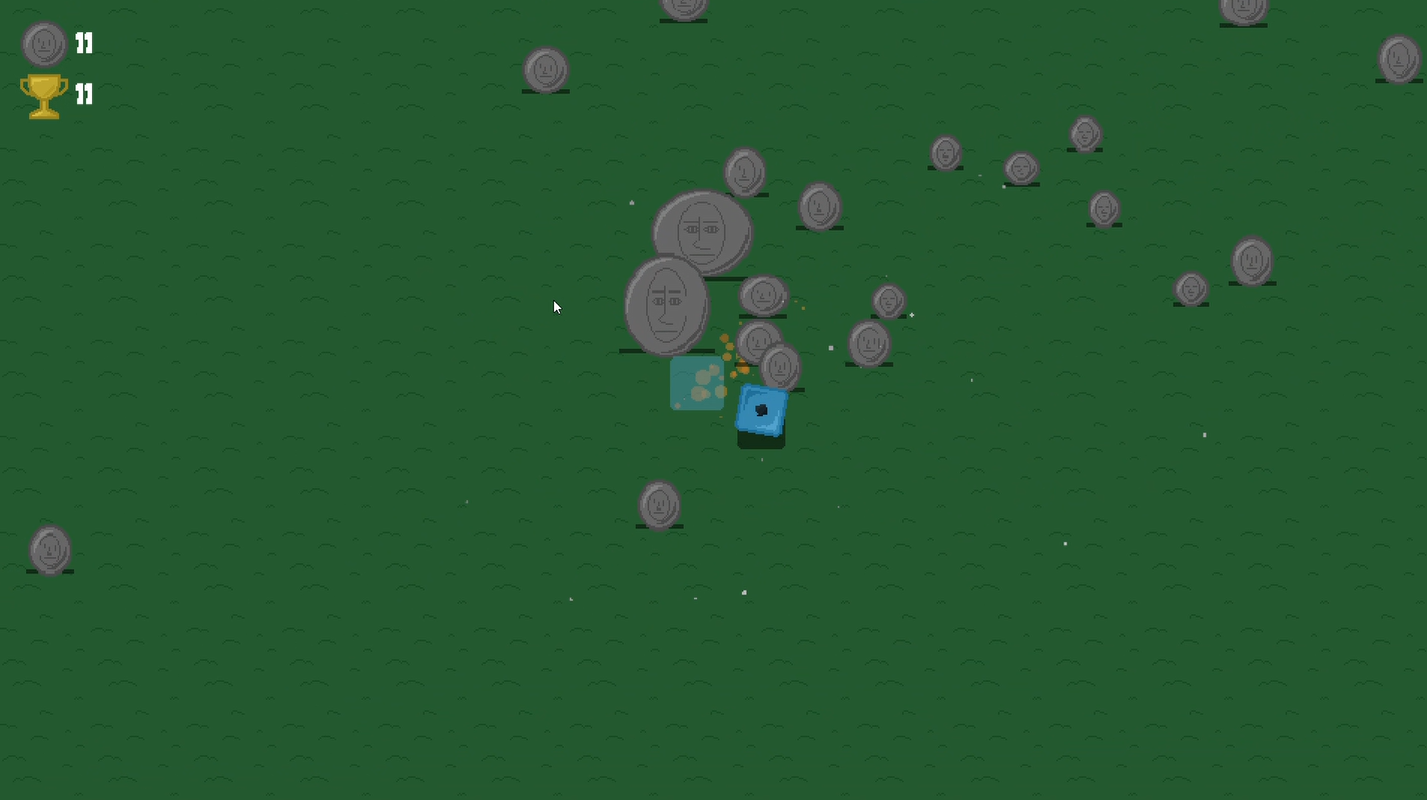
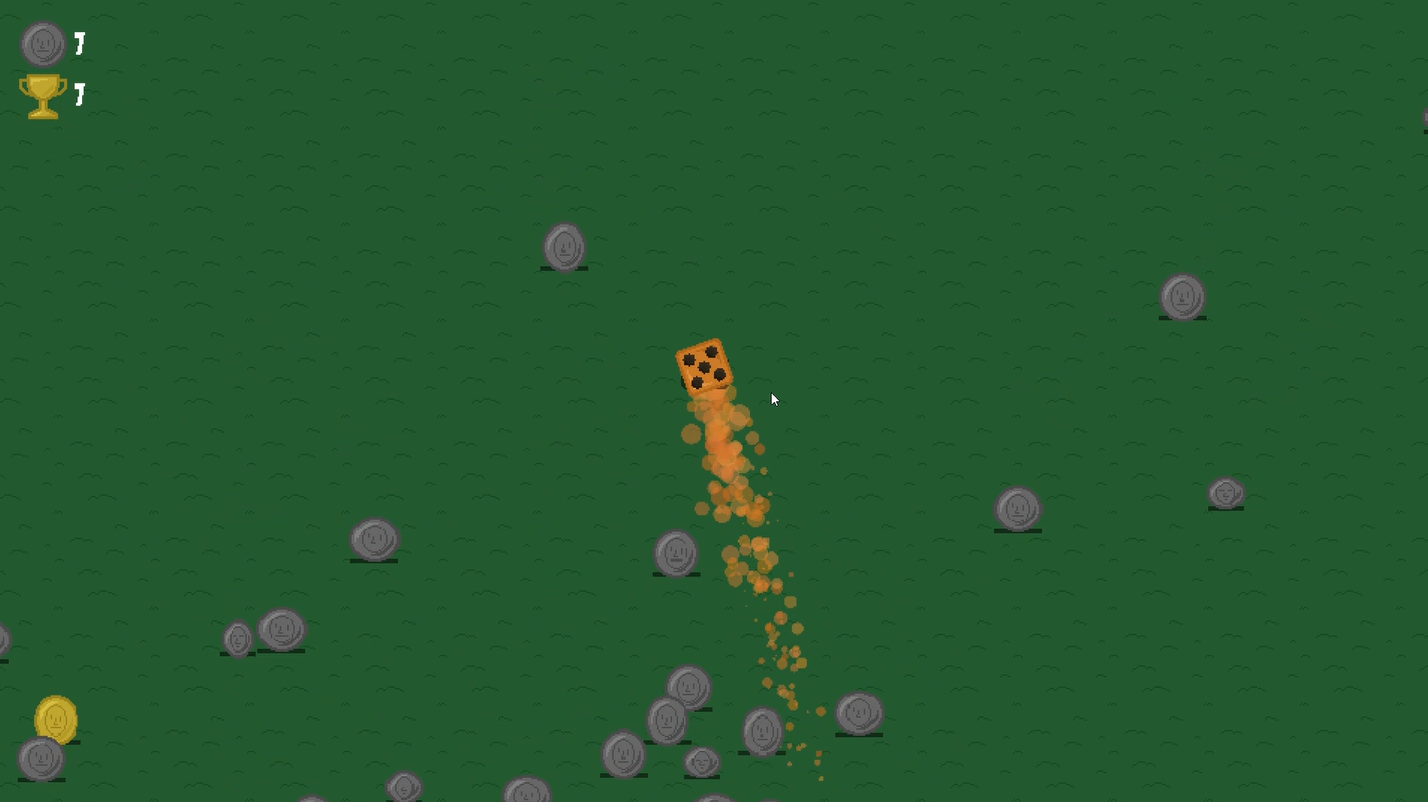
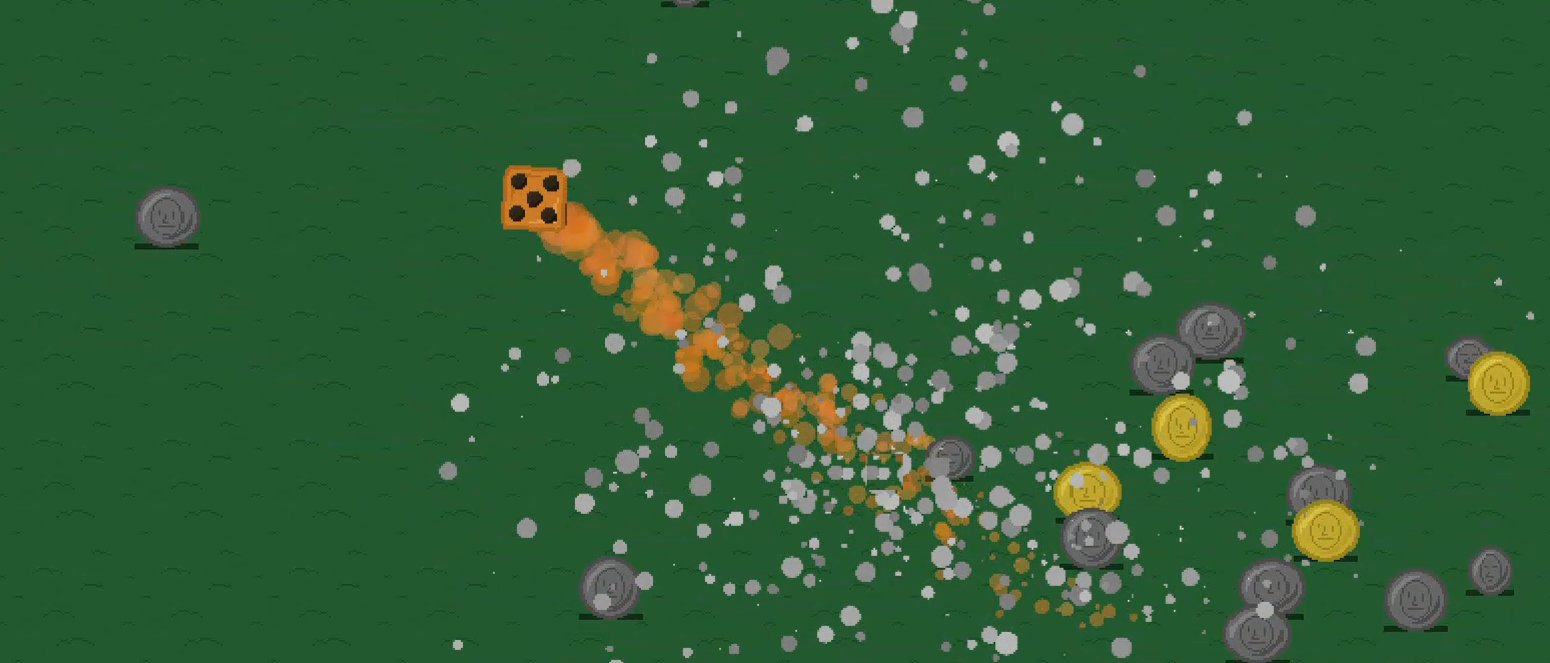
Dice Bowling

Arcade game where each roll of the dice (roll of yourself?) is the difference between triumpth and failure.

Arcade

It's About Slime

A lone milkman fights off hoards of slimes. Eight character builds and local multiplayer.

Platformer

The Fog

Collect lantern in a desperate attempt to survive the fog. Explore an abandonned world in this atmospheric platformer.

Various

Small Projects

The games that are too small (and often too dumb) to display on this page.

Nitrojet

Steam Unity Solo Development Action Original Soundtrack
Trailer

[ YouTube trailer embed — Nitrojet ]

Nitrojet on Steam
Screenshots
Scale

A Full-Scale Solo Project

12Unique Bosses
6Distinct Areas
40+Soundtrack Tracks
18moDevelopment Time
My Role

Solo Developer

[Placeholder] As the sole developer, I handled every aspect of Nitrojet — from core systems programming in Unity to boss AI design, level layout, UI/UX, sound design, and the full original soundtrack. This project pushed my ability to manage scope across a long development cycle while maintaining design coherence.

[Placeholder] I focused particularly on movement mechanics, ensuring the player's momentum felt satisfying at every speed. Iteration on the feel of movement drove many other design decisions downstream.

Design Process

From Paper to Final

paper_sketch_01.jpg
Early paper prototype
final_screenshot_01.png
Final in-game implementation

[Placeholder] The progression system in Nitrojet was designed around giving the player growing agency without overwhelming them. I'll describe the loop here — unlock gates, ability sequencing, and how boss placement informed pacing.

progression_diagram.jpg
↓ Progression Design Doc (PDF placeholder)

[Placeholder] Movement in Nitrojet is built around a boosting and airtime system. I analyzed how speed creates risk-reward loops and how the player learns to abuse the physics system intentionally. This section breaks down the values, feel iterations, and how movement informs level geometry.

movement_analysis_sketch.jpg

[Placeholder] I designed the tutorial around implicit teaching — the first area is structured to demonstrate mechanics through geometry rather than text prompts. This section covers the philosophy and the specific rooms used to introduce each mechanic.

tutorial_flowchart.jpg
Reflection

[Placeholder] Building Nitrojet as a solo project taught me how to ruthlessly cut scope without losing design vision. The biggest lesson was that the feel of a game emerges from hundreds of small decisions — none of which can be delegated. I'd approach boss design differently next time, focusing earlier on readable silhouettes and attack telegraphing.

"Safe Travels!"

Godot 3D Procedural Animation Artistic
Trailer

[ YouTube trailer embed — Safe Travels ]

Screenshots
Artistic Goals

Early 3D Aesthetic

[Placeholder] Safe Travels was driven by a deliberate aesthetic vision: the grainy, low-poly early-3D look of late-90s games. I wanted the world to feel slightly uncanny — friendly but geometrically wrong in subtle ways. Every model was constrained to a specific poly count and vertex-snapping rule.

[Placeholder] The procedural animation system was built from scratch in Godot using IK chains for limb placement. The goal was locomotion that felt organic but clearly mechanical — a little like a spider moving its legs independently over uneven terrain.

Unique Mechanic

The Car-Look System

[Placeholder] One of the most unusual design choices in Safe Travels is the "car-look" mechanic — the player's vehicle turns its entire body to face points of interest rather than just a camera pivot. This creates a sense of personality and attention that makes the world feel reactive. I documented the iterations that led to the final implementation.

car_look_diagram.jpg
Design Process

[Placeholder] The moth enemy was planned but not fully implemented in the final build. This section covers the original design intentions — patrol behavior, attraction to light sources, and how its movement pattern was meant to complement the procedural animation of the player character. Sketches and design notes included.
moth_enemy_concept.jpg
↓ Enemy Design Notes (PDF placeholder)

[Placeholder] A breakdown of the IK system: how limb targets are placed, how the body height is averaged from ground contacts, and how the system blends between idle and locomotion states. Includes annotated code snippets and diagrams.

ik_system_diagram.jpg
Reflection

[Placeholder] Safe Travels was the first time I let aesthetic goals drive technical decisions rather than the other way around. Building the procedural animation system first — before any gameplay existed — forced me to understand what the game needed to feel like before knowing what it needed to do.

27 Photos

Puzzle Team Project Level Design
Trailer

[ YouTube trailer embed — 27 Photos ]

Screenshots
My Role & Contributions

Level Design Lead

[Placeholder] On 27 Photos I led level design for the majority of the puzzle stages. The game is built around photographs as the primary interactive element, and I designed the spatial logic that connects visual clues to player movement.

[Placeholder] I also contributed to the design philosophy doc — defining what made a good "photo puzzle" and building a language of difficulty that could be shared with the whole team.

Design Process

[Placeholder] Each level was designed around a single "aha" moment — a point where the player understands the relationship between a photograph and the physical space. I'll walk through three levels in detail, including early sketches and how the design evolved through playtesting.

level_design_sketch_01.jpg
level_design_sketch_02.jpg
↓ Level Design Document (PDF placeholder)

[Placeholder] The 27-puzzle structure required careful ordering. I mapped out the conceptual complexity of each puzzle and created a pacing diagram to ensure the player was never overwhelmed or underchallenged for more than two consecutive levels.

pacing_diagram.jpg
Reflection

[Placeholder] Working on a team required me to communicate design intent much more explicitly than when working solo. Writing shared design documents and defining a "level language" that others could use pushed me to articulate instincts I'd previously left implicit.

Beach Car Game

Solo Design-Focused Unity

[ YouTube embed — Beach Car Game ]

Screenshots
My Role

Solo Developer

[Placeholder] Beach Car Game is a solo project with heavy emphasis on design documentation. Every mechanic has a corresponding design rationale, and the project served as a testing ground for structured design process habits I wanted to build before tackling larger projects.

Design Process

[Placeholder] All levels were sketched on paper before any geometry was built in Unity. The sketches defined the flow of each level — where speed is built, where it must be shed, and where the player has choices. Annotated scans are included here.

bcg_level_sketch_01.jpg
bcg_level_sketch_02.jpg
↓ Level Design Sketches PDF (placeholder)

[Placeholder] Before building anything, I designed the tutorial entirely on paper. This involved writing out every mechanic the player needs to learn, ordering them by dependency, and mapping each to a specific moment in the first level. The paper system became the spec the game was built against.
paper_tutorial_scan.jpg
↓ Tutorial Design Document (PDF placeholder)

[Placeholder] A full design document covers the game's core loop, intended player experience, mechanic list, art direction notes, and scope boundaries. Written before development began and updated as the project evolved.

↓ Full Design Document (PDF placeholder)
Reflection

[Placeholder] Beach Car Game was where I committed to process-first development. Writing the tutorial on paper before touching Unity forced clarity about what the game actually needed to teach — and revealed several mechanics I'd planned that were redundant or confusing.

Pop-Off!

Concept Genre Mashup Team

[ YouTube embed — Pop-Off! ]

Screenshots
Concept Origin

Genre Mashup Analysis

[Placeholder] Pop-Off! originated from a question: what happens when you apply the tension structure of a battle-royale to a casual party game? The concept emerged from analyzing what creates pressure in competitive games and how that pressure can be made legible to non-competitive players.

[Placeholder] I documented the genre analysis process — mapping the mechanics of both parent genres, identifying overlaps and conflicts, and finding the design space where a mashup could be coherent rather than chaotic.

My Role & Contributions

[Placeholder] On Pop-Off! I contributed the core concept framing and the initial design document. I also handled [placeholder role description] during development. The game was built collaboratively with a [placeholder team size] team.

Reflection

[Placeholder] The hardest part of Pop-Off! was keeping the genre mashup from becoming incoherent. Every mechanic had to earn its place by serving both the casual accessibility goal and the competitive tension goal simultaneously. Some mechanics we designed failed this test and were cut.

[ ITS_ABOUT_SLIME_THUMB.PNG ]

It's About Slime

[Placeholder] A short exploration game built around manipulating local gravity fields. The player navigates a surreal environment where every surface can become a floor. Built in [engine placeholder] over [timeframe placeholder].

Play on itch.io →
[ GRAVITATION_THUMB.PNG ]

Gravitation

[Placeholder] A short exploration game built around manipulating local gravity fields. The player navigates a surreal environment where every surface can become a floor. Built in [engine placeholder] over [timeframe placeholder].

Play on itch.io →
[ GO_KART_THUMB.PNG ]

Go Kart Demo

[Placeholder] A short exploration game built around manipulating local gravity fields. The player navigates a surreal environment where every surface can become a floor. Built in [engine placeholder] over [timeframe placeholder].

Play on itch.io →
[ SUMMER25_THUMB.PNG ]

Summer '25 Game Demos

[Placeholder] A collection of small game demos built during summer 2025, each exploring a single mechanic or aesthetic idea. Topics include [placeholder mechanic 1], [placeholder mechanic 2], and [placeholder mechanic 3].

View Collection →
[ LIAR_THUMB.PNG ]

Liar in Our Group

[Placeholder] A social deduction game for [placeholder player count] players inspired by the social dynamics of online multiplayer spaces. Players must identify an asymmetric information holder through [placeholder mechanic description].

Play on itch.io →
Role & Tools

[Placeholder] I compose and produce all original music for my projects, primarily in [DAW placeholder]. I approach sound design as an extension of game feel — every audio event should reinforce the physical sensation the player is experiencing. My work on Nitrojet's 40-track soundtrack informed how I think about pacing and emotional arc in longer-form compositions.

[Placeholder] Tools: [DAW placeholder], FMOD for adaptive audio integration, original foley recordings, and [synthesizer/plugin placeholder].

Tracks
Nitrojet — Main Theme
3:42
Nitrojet — Boss Theme 01
2:15
Safe Travels — Ambient Loop
4:01
Beach Car Game — Menu Track
1:58
27 Photos — Puzzle Solved Sting
0:08
[ PHOTO ]

Yale CS, Game Design Focus

[Placeholder] I'm a freshman studying Computer Science at Yale University. Before Yale, I was building games independently — the kind of obsessive, years-long solo projects that teach you everything textbooks don't cover. That's where Nitrojet came from.

[Placeholder] At Yale I'm continuing to develop games while studying the theoretical foundations that explain why games feel the way they do. I'm particularly interested in the overlap between systems design and player psychology — how rule structures create emotional experiences.

[Placeholder] I work in Unity and Godot, compose all my own music, do my own sound design, and write extensive design documentation before and during every project. I believe the design process — the thinking, the iteration, the documentation — is as important as the final artifact.

Game Design Philosophy

[Placeholder] Good game design is invisible. When a player feels smart, capable, or surprised, they're feeling the design working — not seeing it. My goal in every project is to create systems that generate those moments as reliably as possible, with as little friction as possible.

[Placeholder] I'm drawn to movement as a primary mechanic. How a player moves through a space tells them what the game values. If movement feels good, everything built around it has a better chance of feeling good too.

Currently Seeking

Game design internships for summer 2025. I'm interested in roles focused on systems design, level design, or gameplay programming. Open to studios of all sizes.